
What is 3D Rendering?
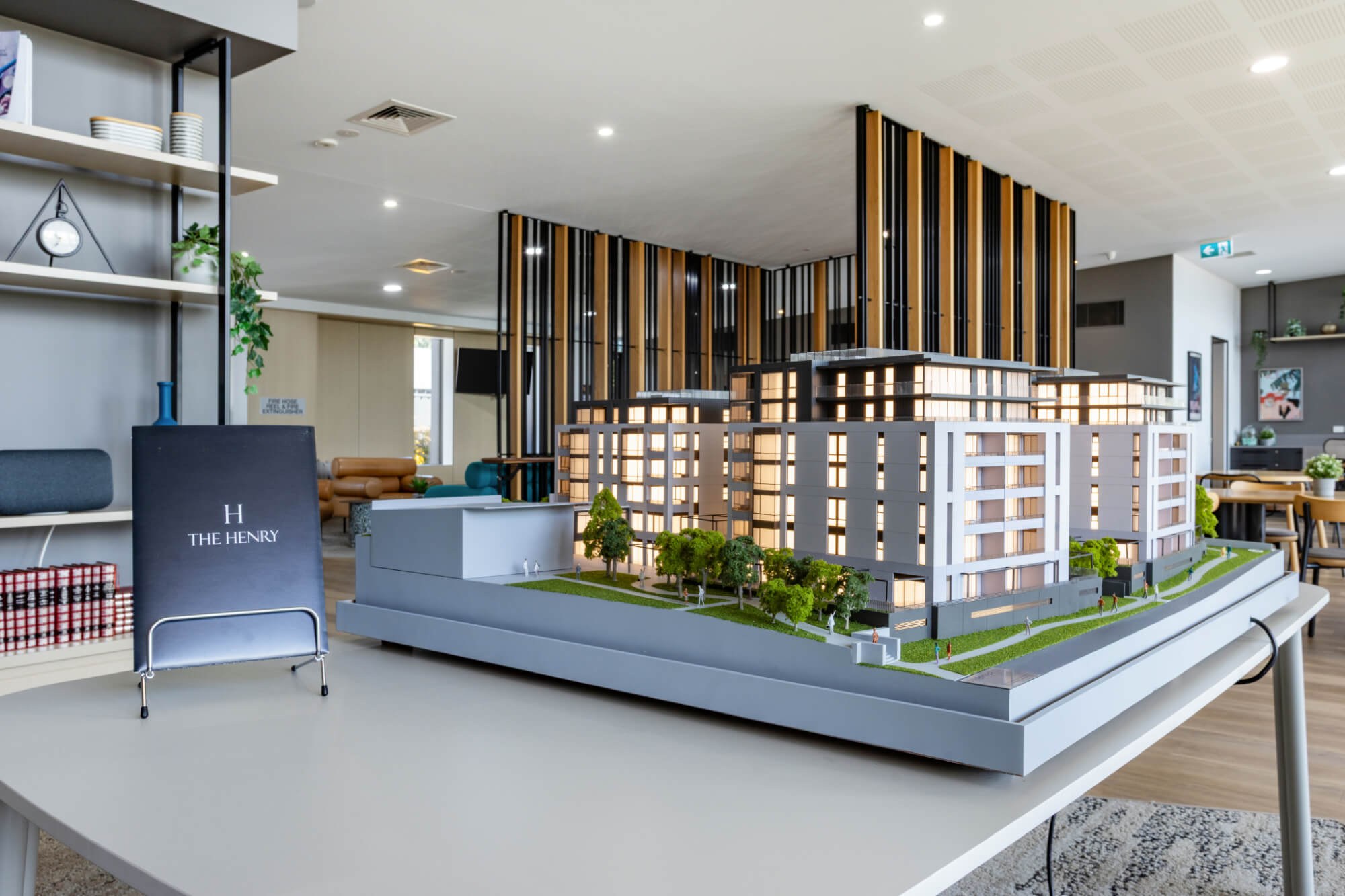
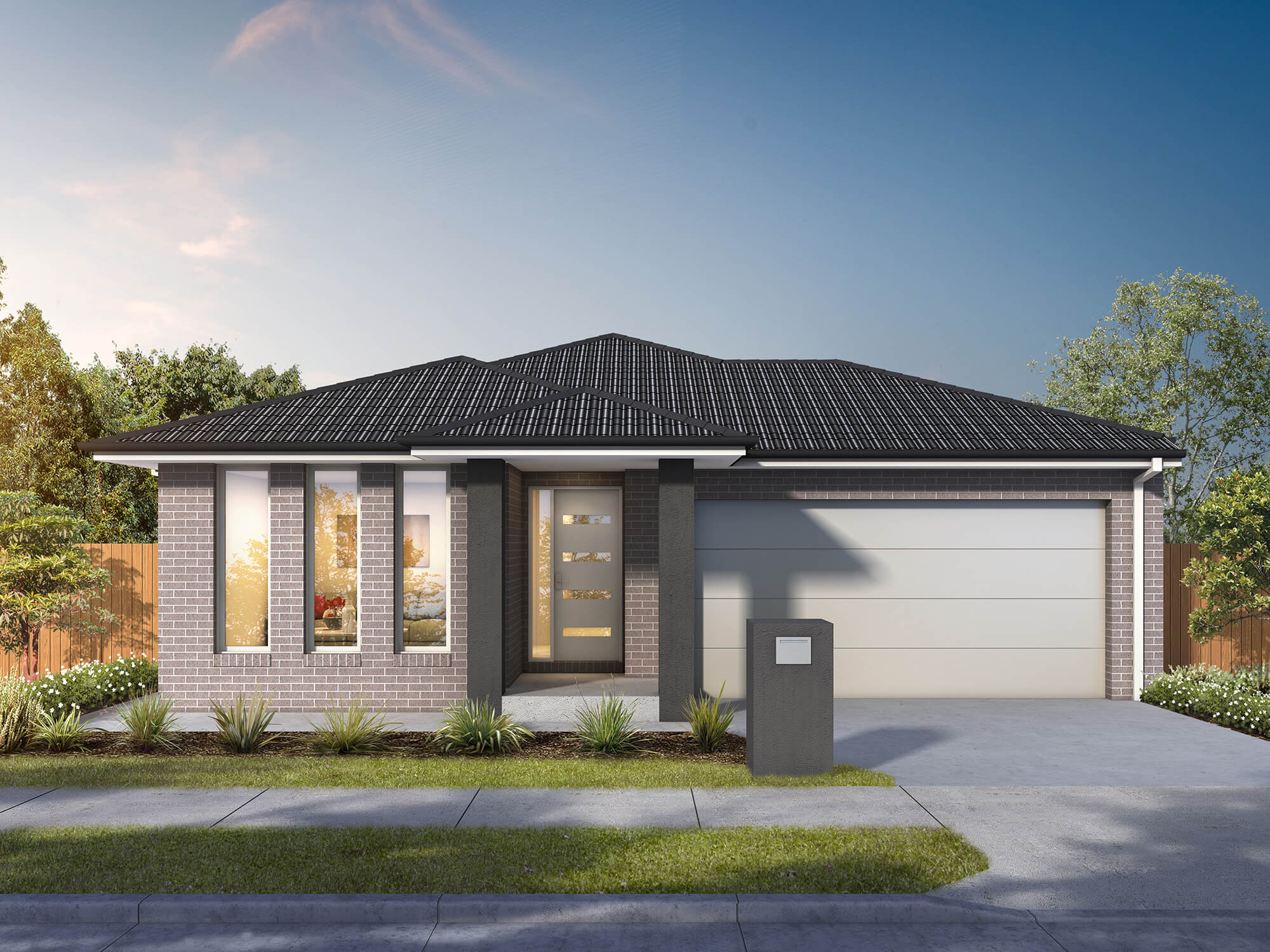
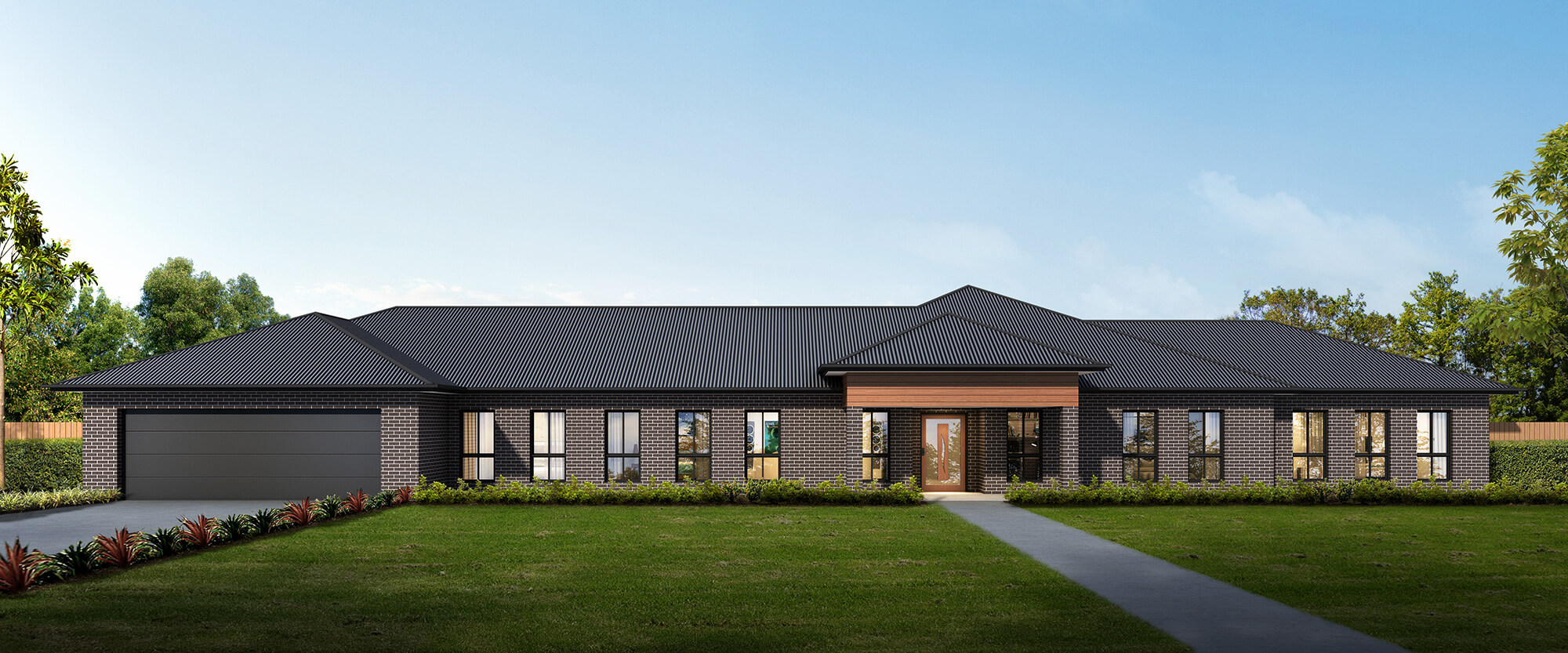
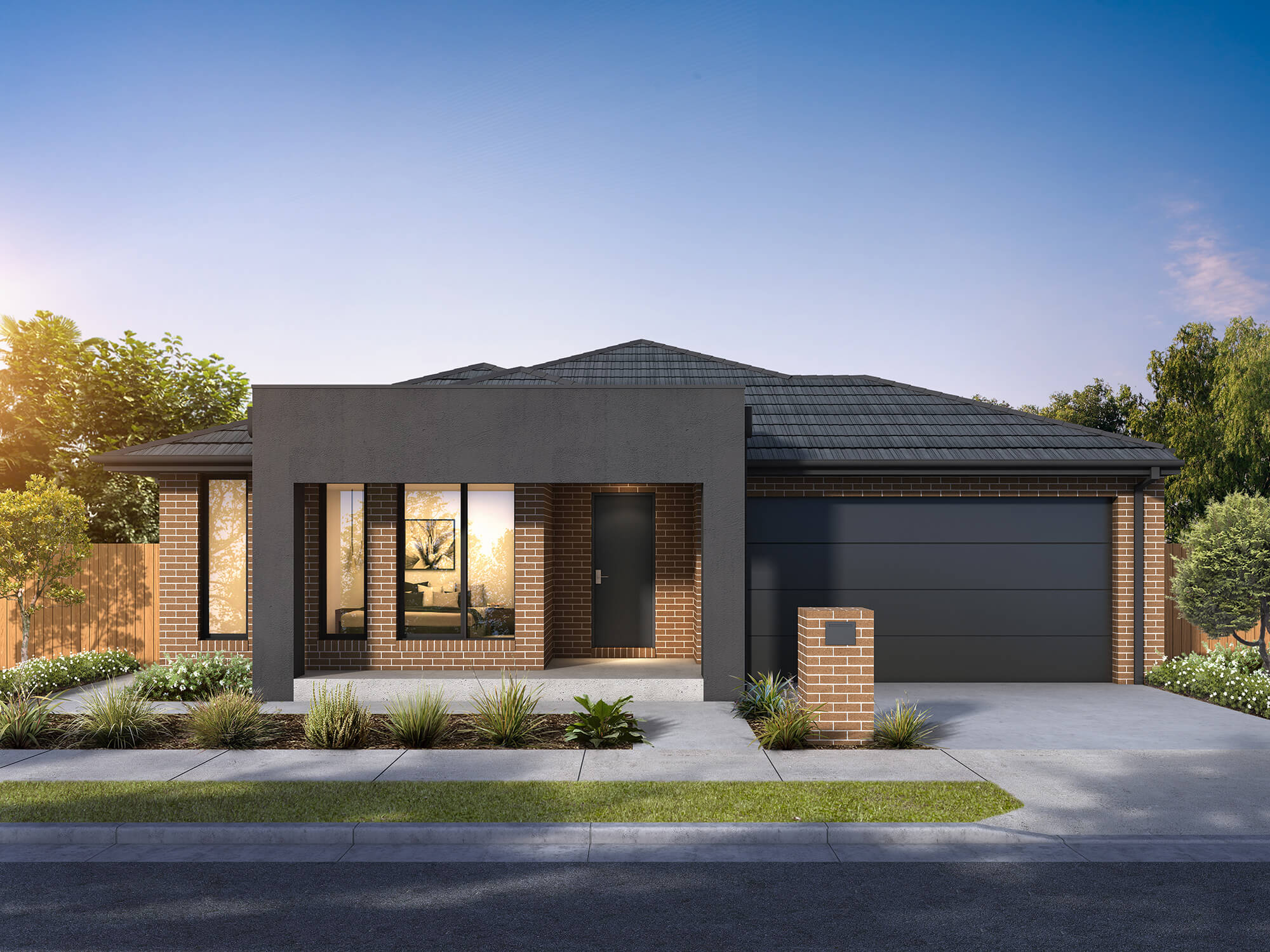
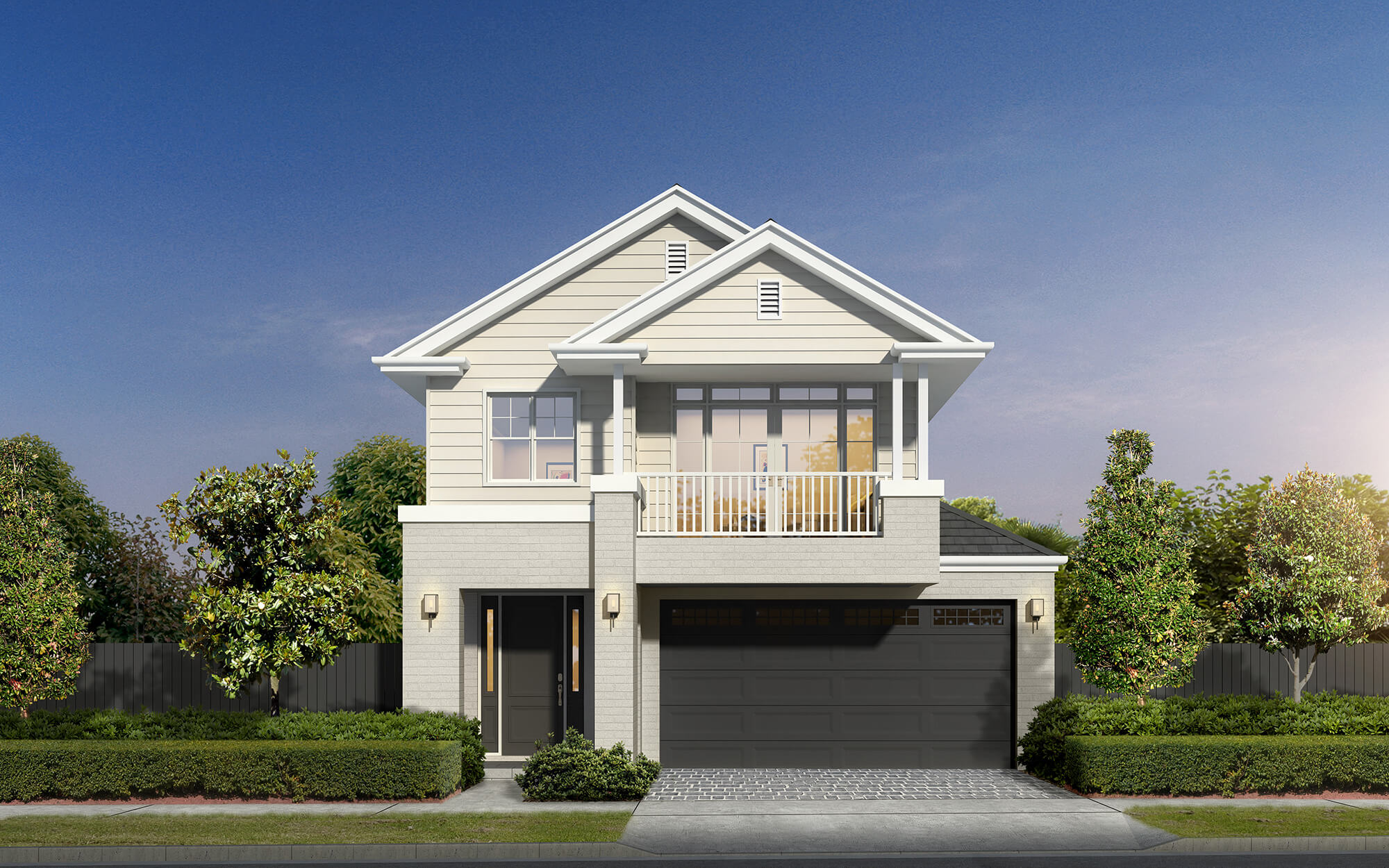
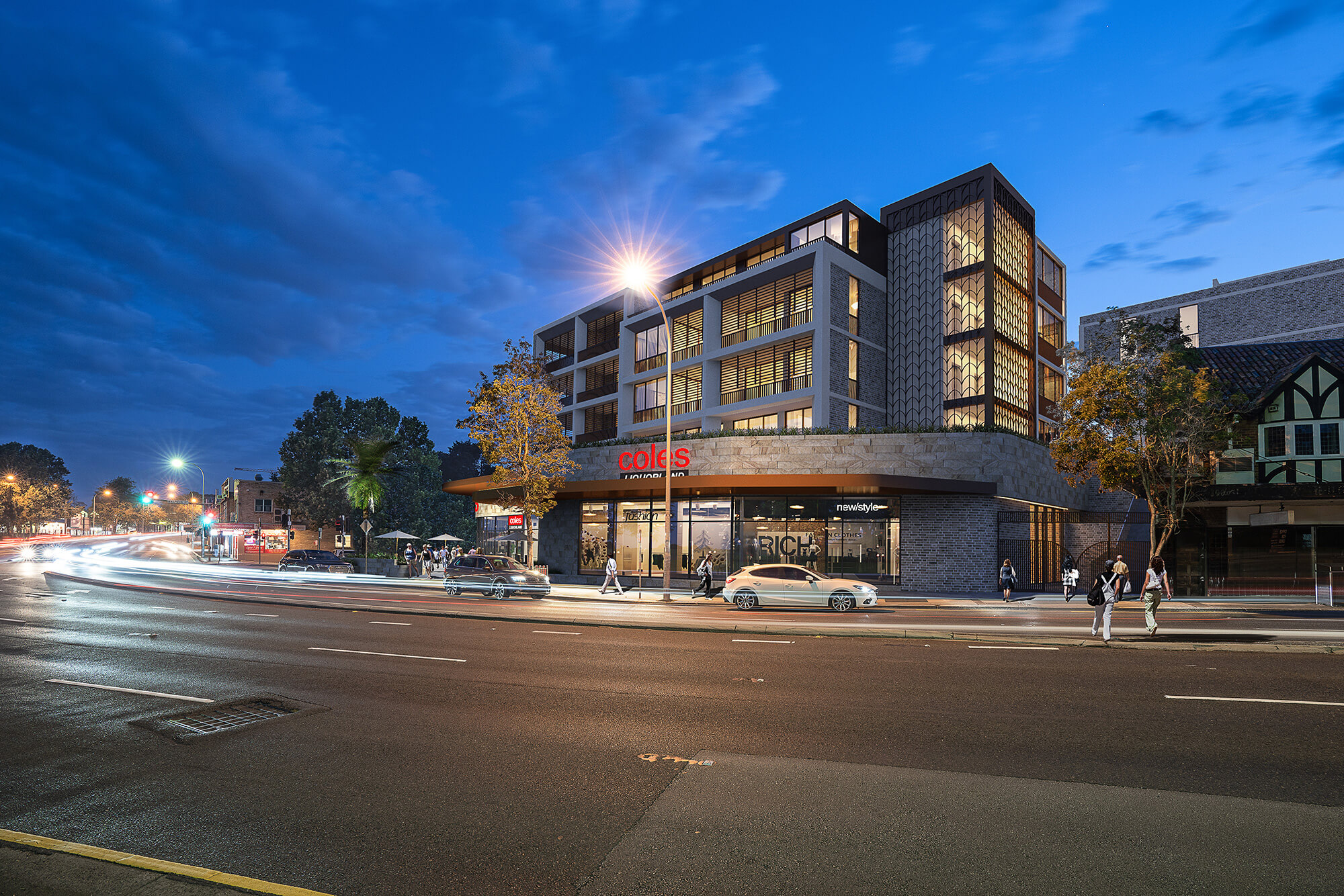
3D rendering is the process of generating a two dimensional image from three dimensional digital data. In simple terms, it uses specialised 3D software to create visual representations of objects, buildings or environments before they are built.
A 3D render can simulate realistic lighting, shadows, materials, colour, atmosphere and depth. It can also include optical effects such as motion blur or reflections. Depending on the purpose of the project, a render may be photorealistic or intentionally stylised to achieve a conceptual or artistic outcome.
There are multiple rendering methods used to produce different visual results. These range from basic wireframe rendering and polygon based modelling through to advanced techniques such as scanline rendering, ray tracing and radiosity, which calculate how light interacts with surfaces to achieve higher levels of realism.
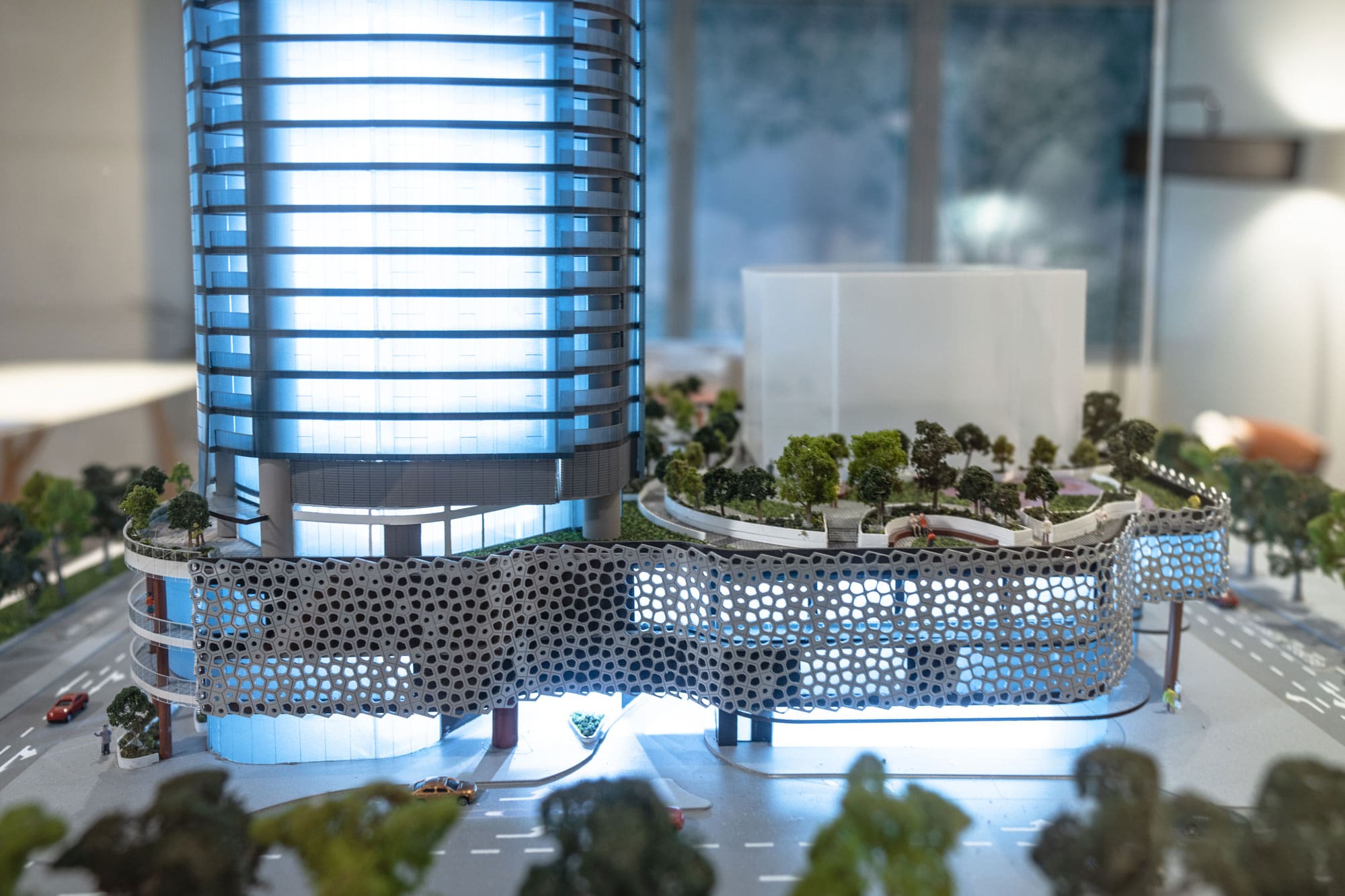
3D rendering plays a critical role across industries including architecture, construction, property development, real estate marketing and interior design. It allows concepts to be clearly communicated, reviewed and presented long before physical construction begins.












Who Uses 3D Rendering?
3D rendering is used across a wide range of industries where visual communication is critical. It allows professionals to present buildings, environments and products in a clear and measurable format before they are physically produced.
Unlike traditional blueprint drawings, 3D renderings provide depth, materiality and lighting context. This makes complex concepts easier to understand, evaluate and market.
Industries that rely heavily on 3D rendering include:


Benefits to 3D Rendering
3D rendering provides measurable advantages during the planning, design and presentation stages of a project. It allows ideas to be tested, refined and communicated clearly before construction begins.
3D rendering provides architects, developers, builders and marketers with a controlled and cost effective way to visualise projects from concept through to completion. It strengthens communication, improves decision making and supports more confident project delivery.
Understanding the Clients Vision
Every successful 3D rendering begins with a clear understanding of the project intent.
At Premier3D, the initial consultation is focused on more than gathering drawings. It is about understanding the objectives behind the design. We take the time to clarify what the project needs to communicate, who the intended audience is and how the final visuals will be used.
Clients may provide architectural plans, concept sketches, reference imagery or branding guidelines. From there, we ask targeted questions to define the scope, positioning and purpose of the render. Whether the imagery is intended for planning submission, investor presentation, marketing campaigns or sales environments, each objective requires a considered visual approach.
By establishing clarity at the outset, we ensure the final render aligns not only with the design documentation but with the broader commercial and communication goals of the project.


3D Renders Bringing Concepts to Life with Clarity
3D rendering has become an essential tool in modern design and development. It bridges the gap between technical documentation and real world understanding, allowing ideas to be assessed, refined and presented with confidence.
From early concept studies through to marketing visuals and stakeholder presentations, rendering enables projects to be communicated in a way that is both precise and compelling. It reduces ambiguity, supports better decision making and strengthens alignment across project teams.
At Premier3D, we combine technical accuracy with visual realism to ensure every render serves a clear purpose. The result is imagery that not only represents the design, but helps move the project forward with certainty.

ENQUIRE NOW
Please describe your requirements and one of our project managers will be in touch within 24 hours.
Privacy is important to us. Your details will not be transmitted or passed on to any third parties.
