
3D Architectural Scale Models for Property Developers
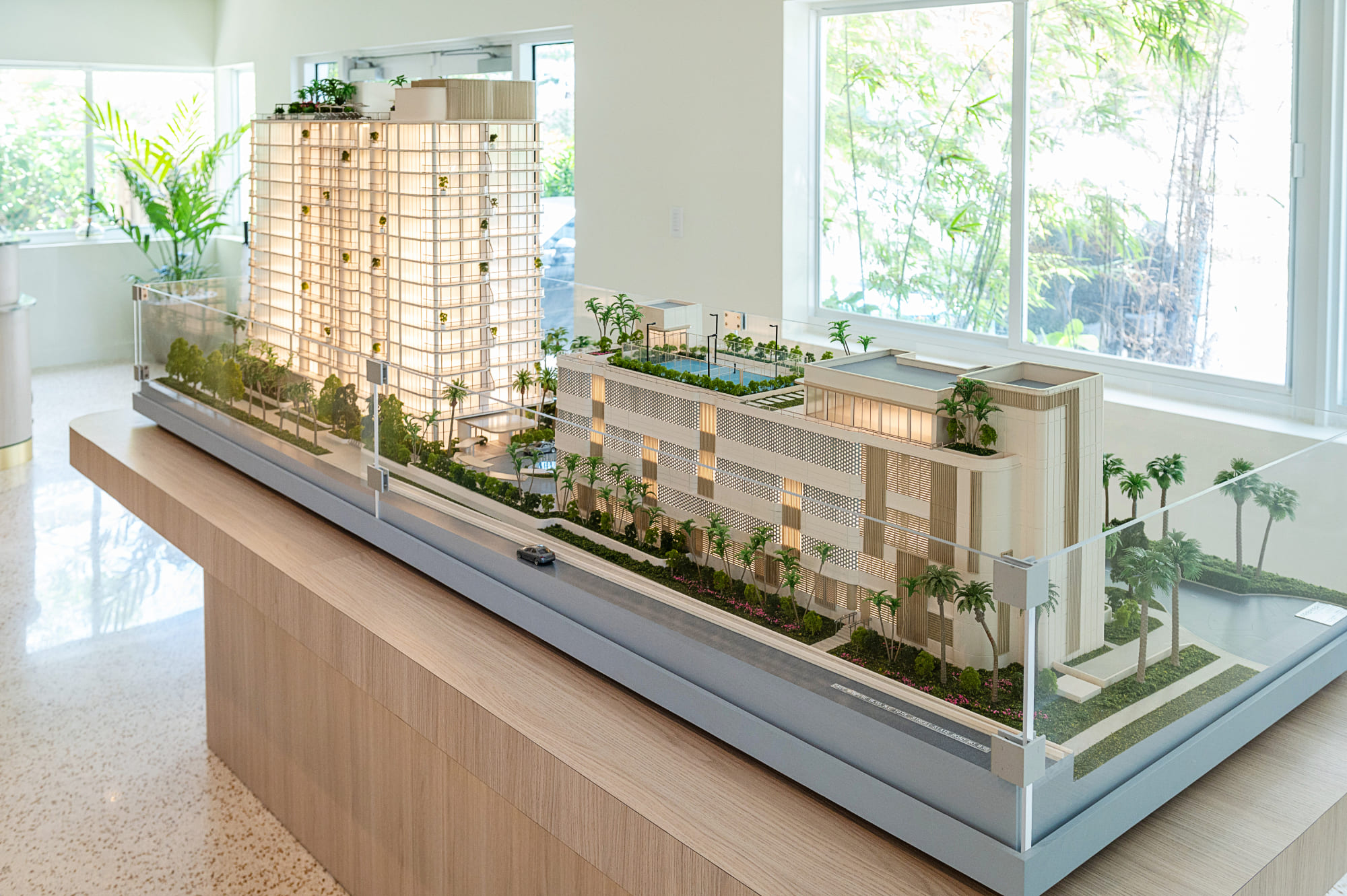
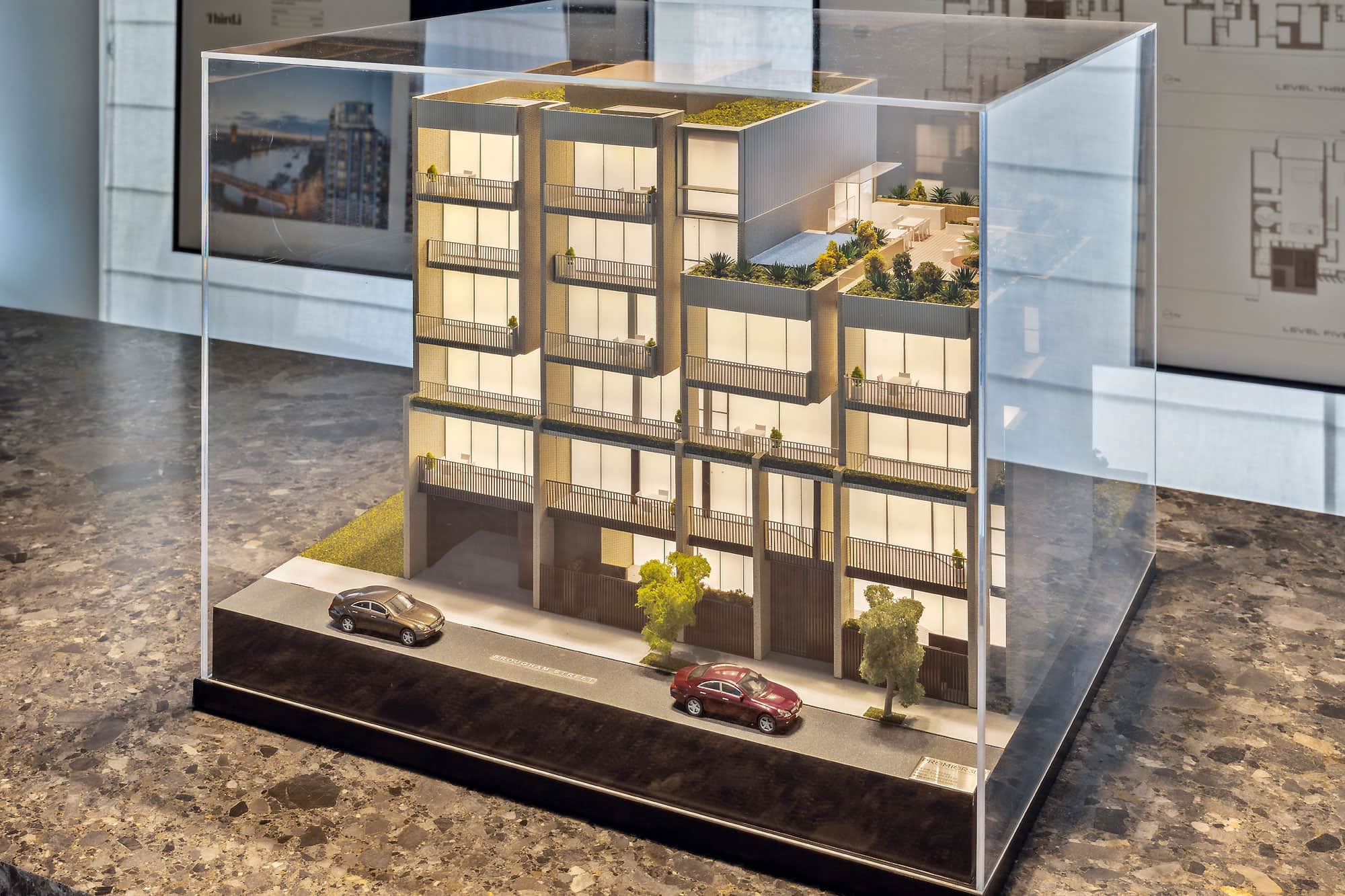
For property developers, clarity drives confidence. A 3D architectural scale model provides a precise physical representation of your proposed development, allowing stakeholders to understand scale, form and site integration long before construction begins.
Unlike drawings or digital renders, a physical model presents the project in measurable, tangible terms. It supports clearer communication with investors, planning authorities, joint venture partners and sales teams, while giving you a deeper understanding of how the development sits within its surrounding context.






A Strategic Tool for Planning, Approvals and Sales
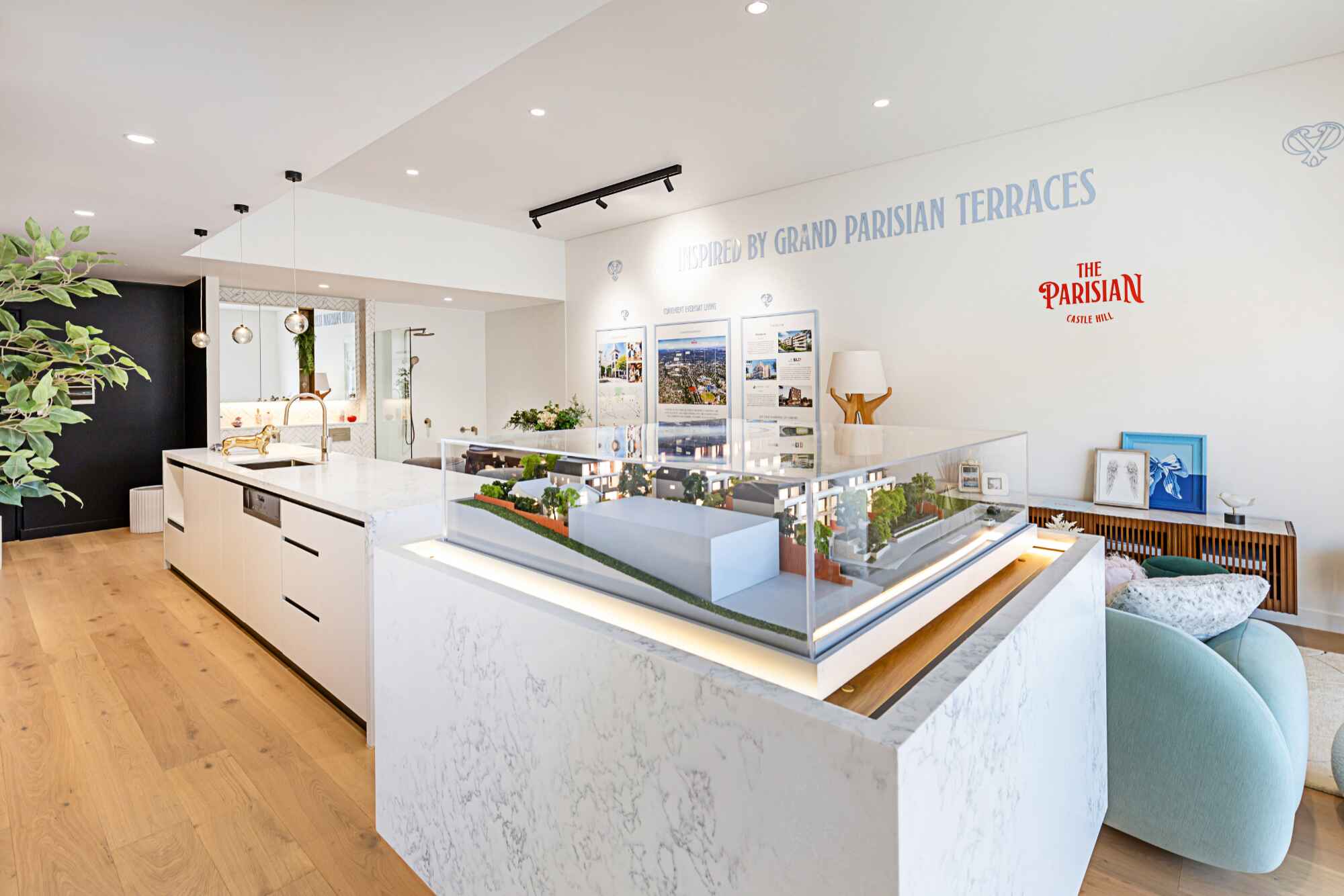
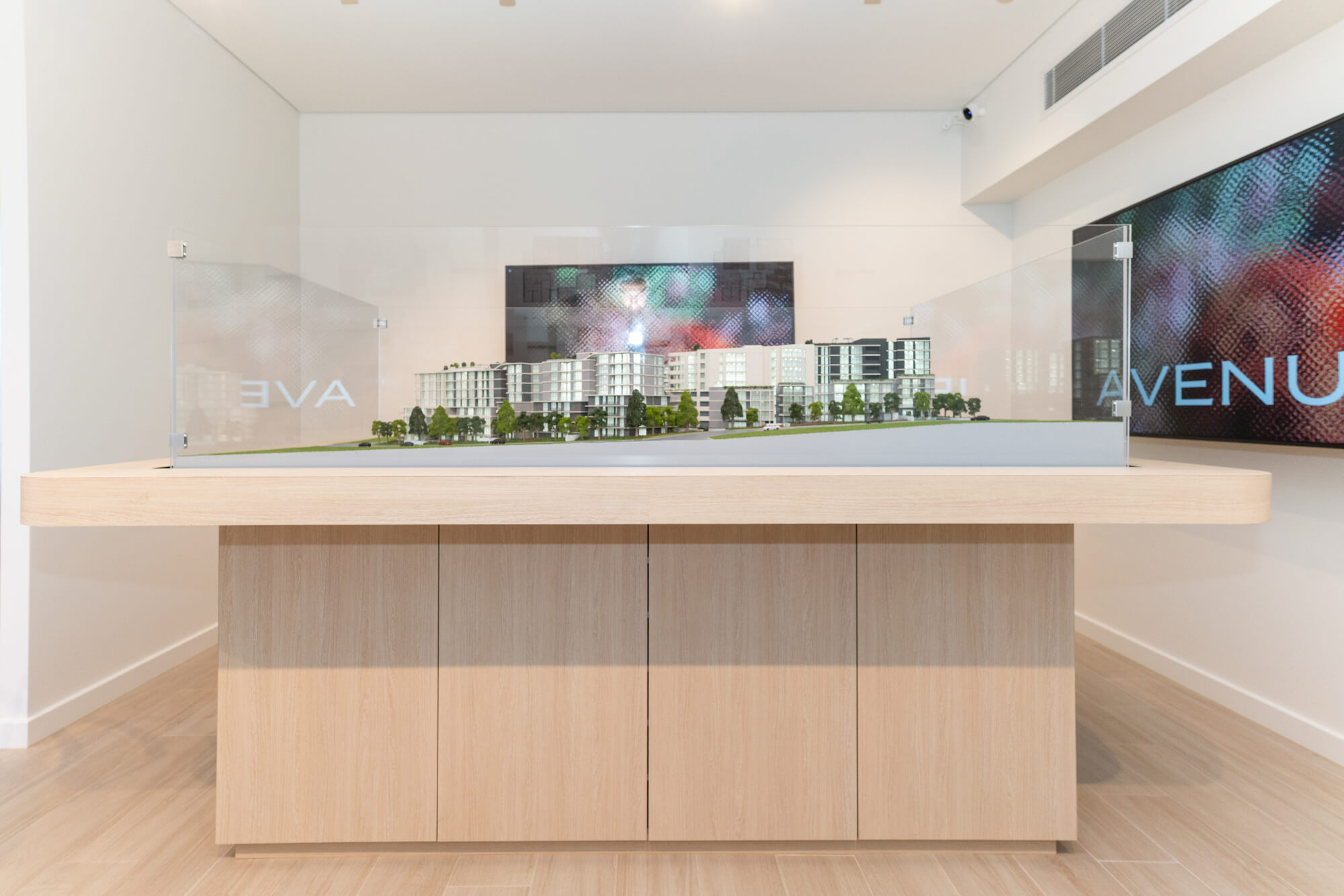
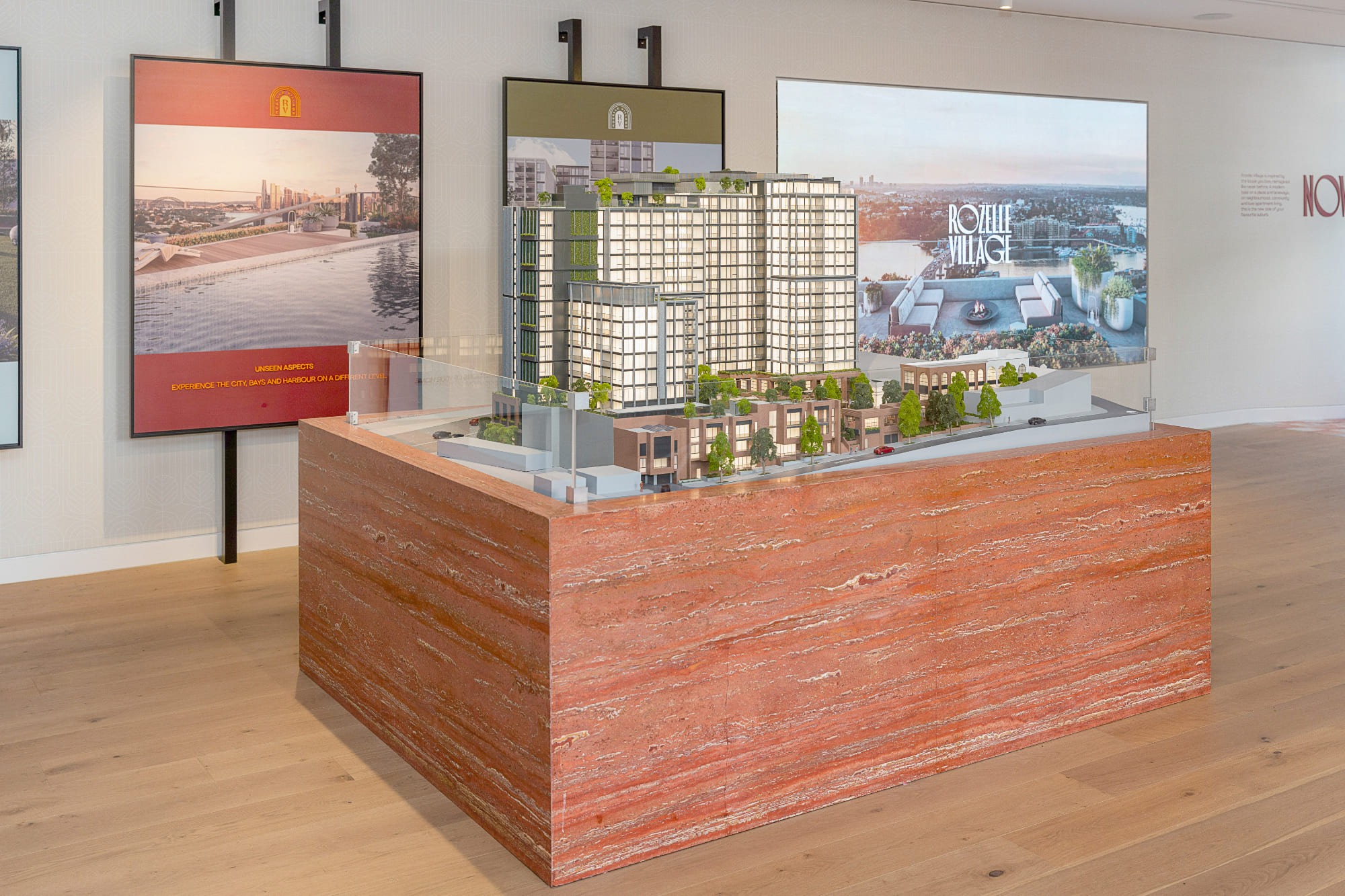
During the design and approvals phase, scale models become a practical decision making tool. They allow you to review massing, spatial relationships and streetscape impact in a way that flat plans cannot fully convey. Design refinements can be assessed early, reducing risk and limiting costly revisions later in the programme.
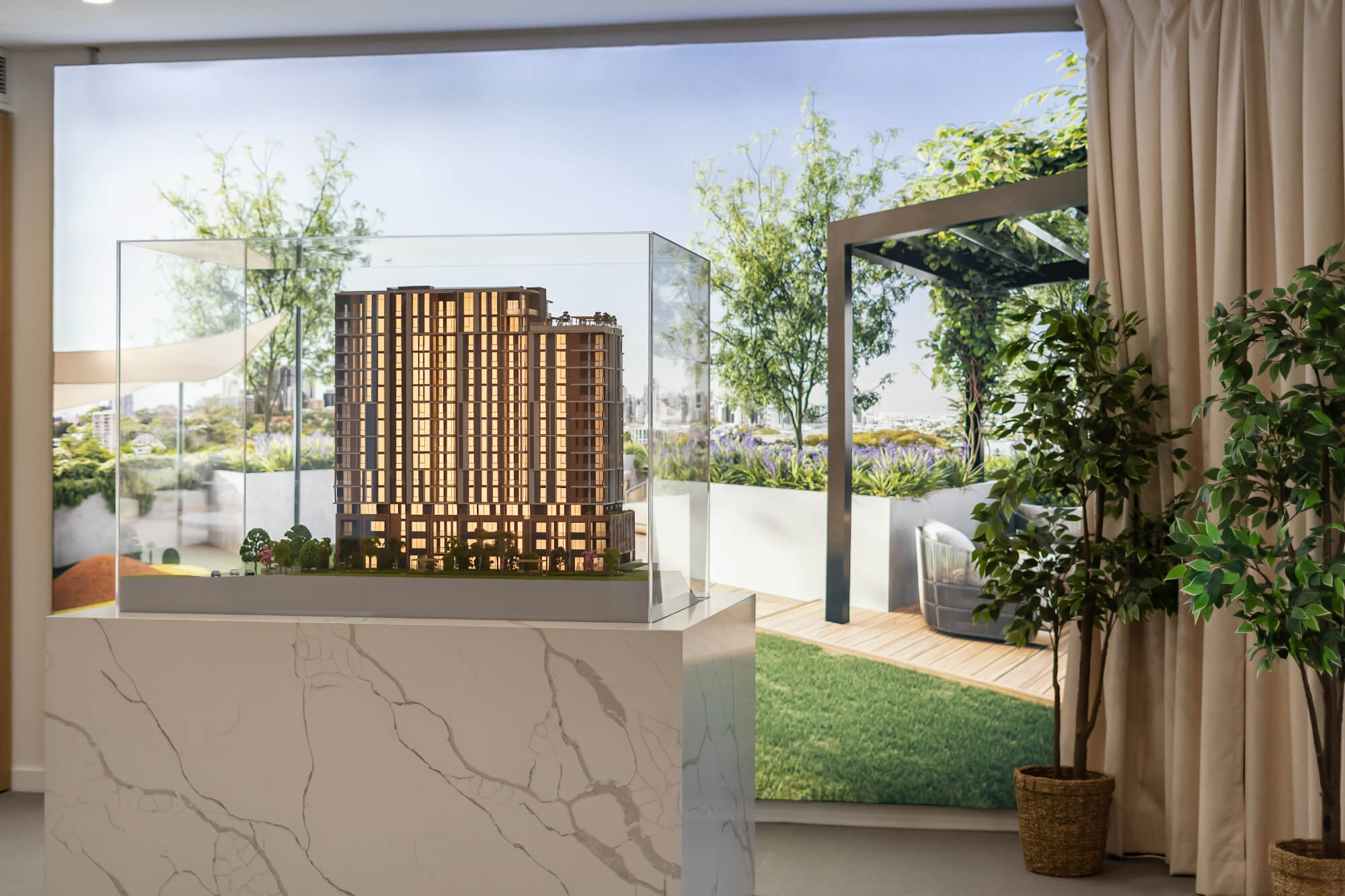
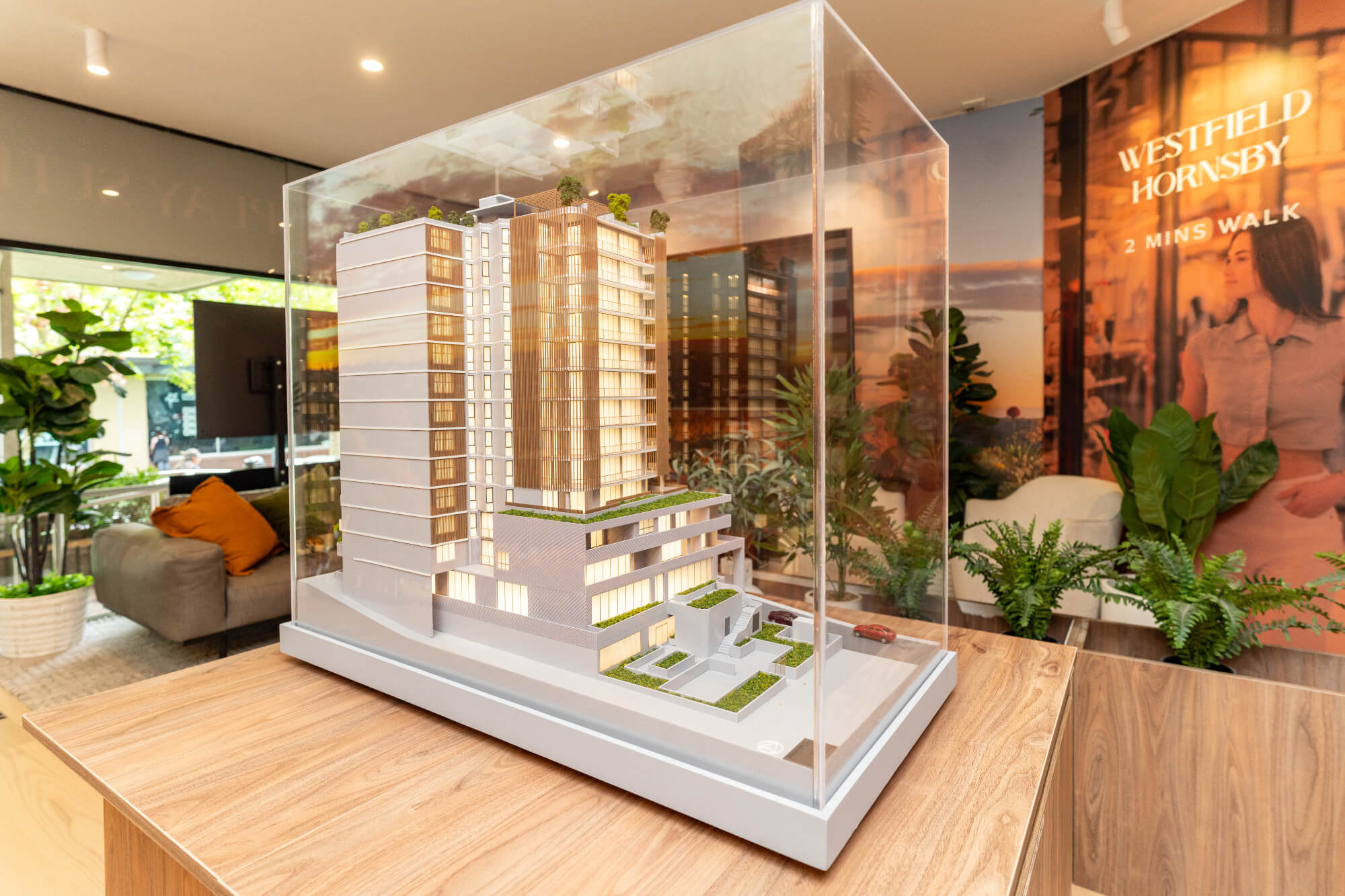
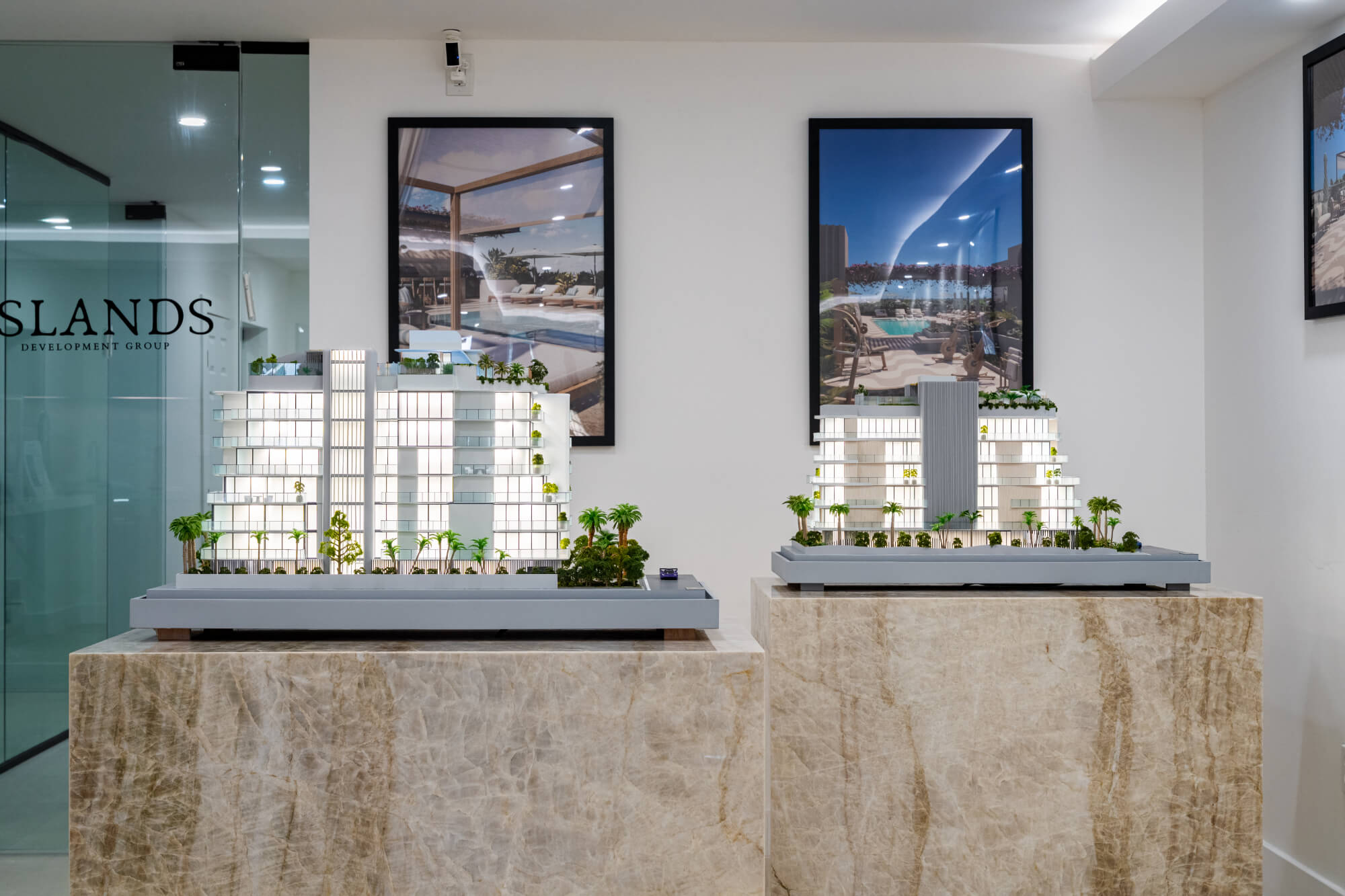
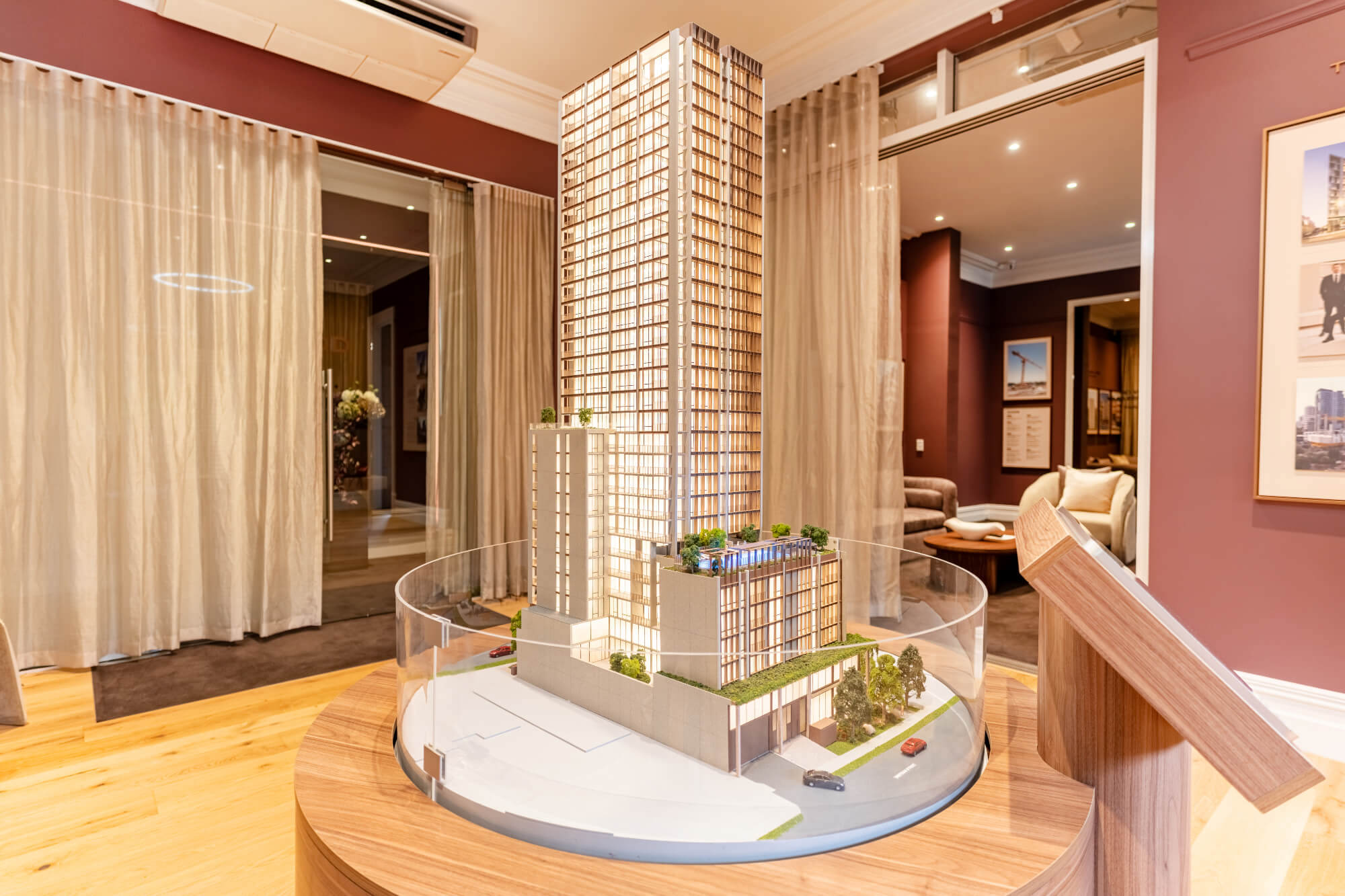
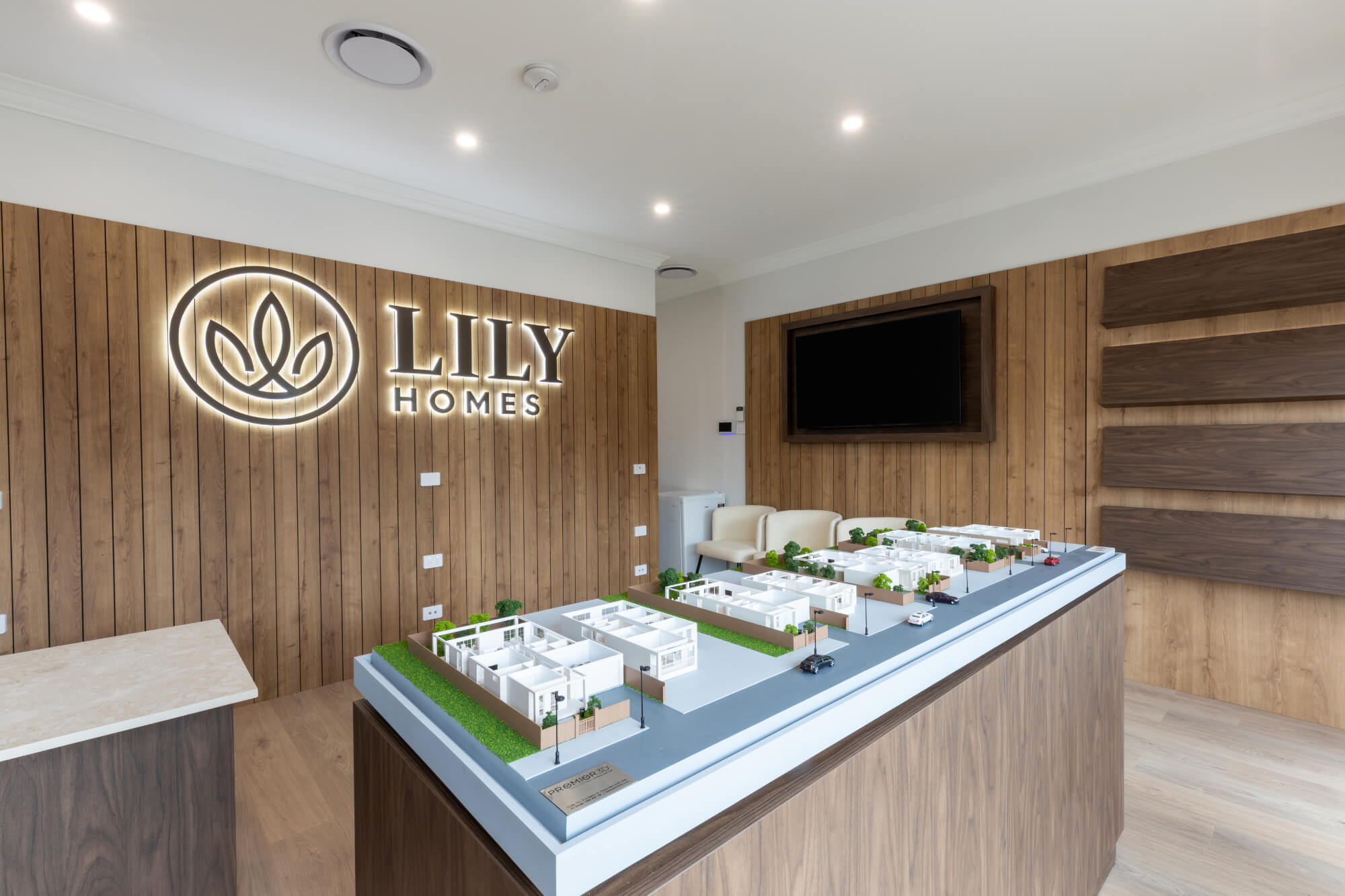
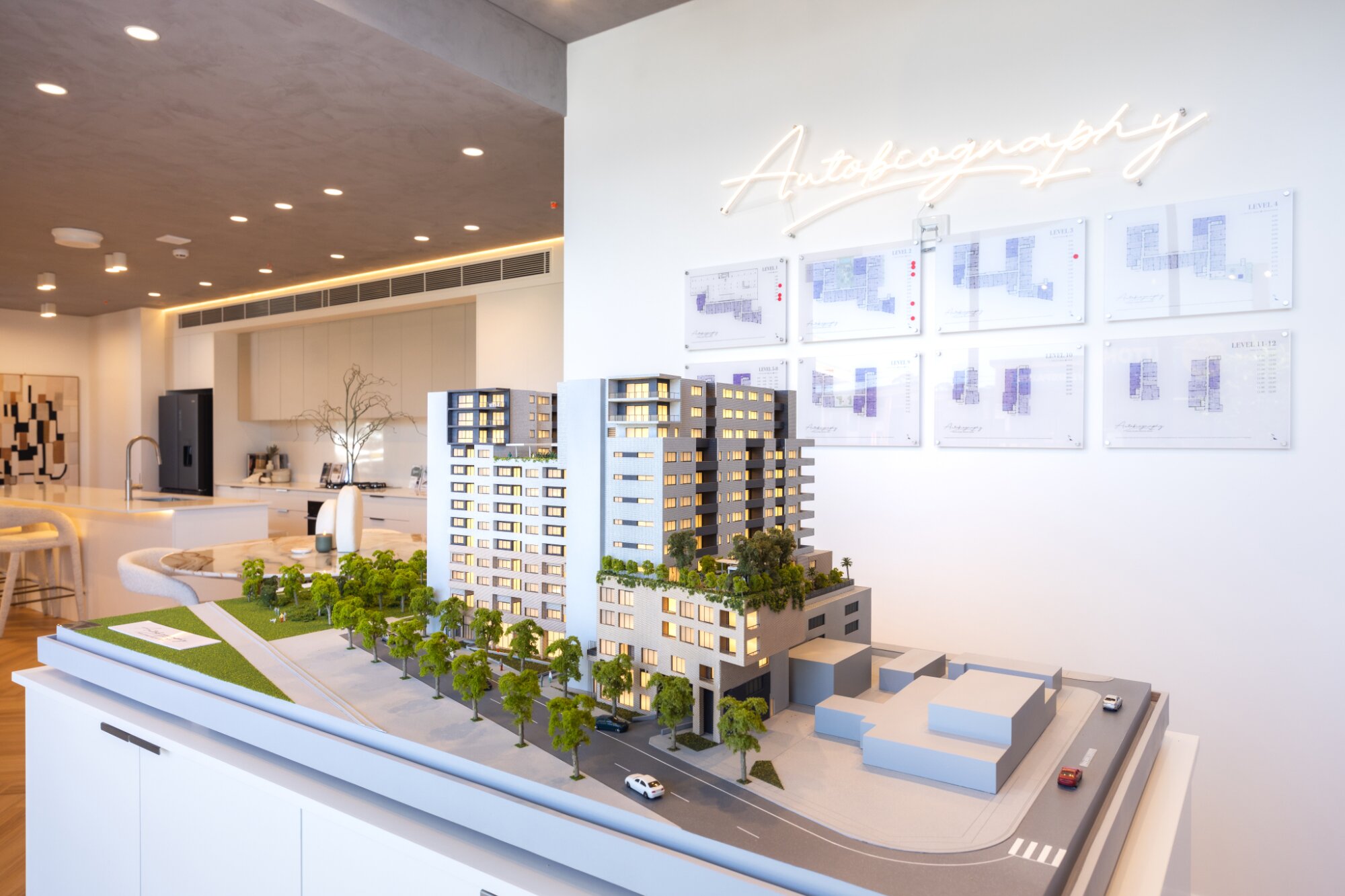
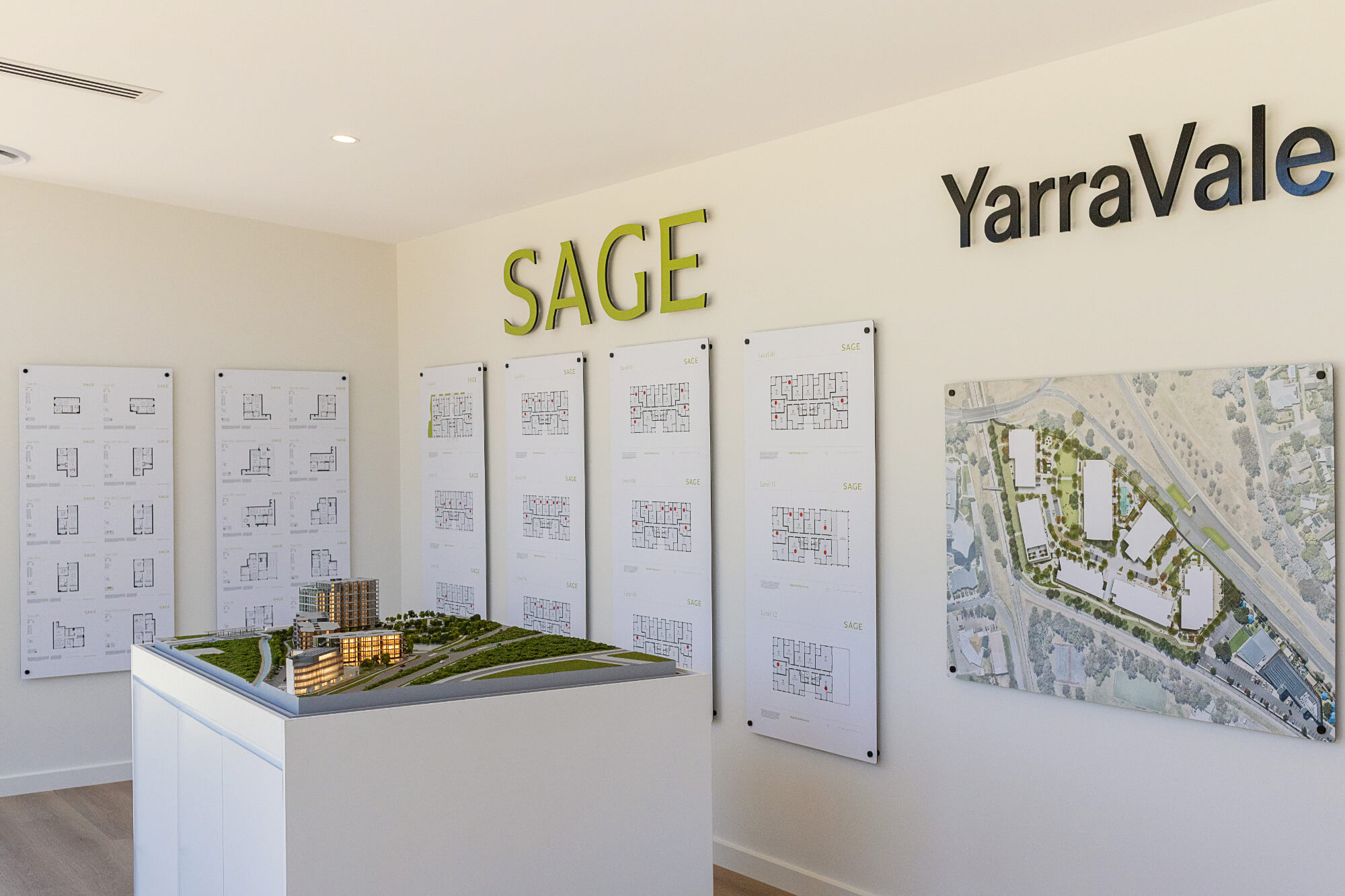
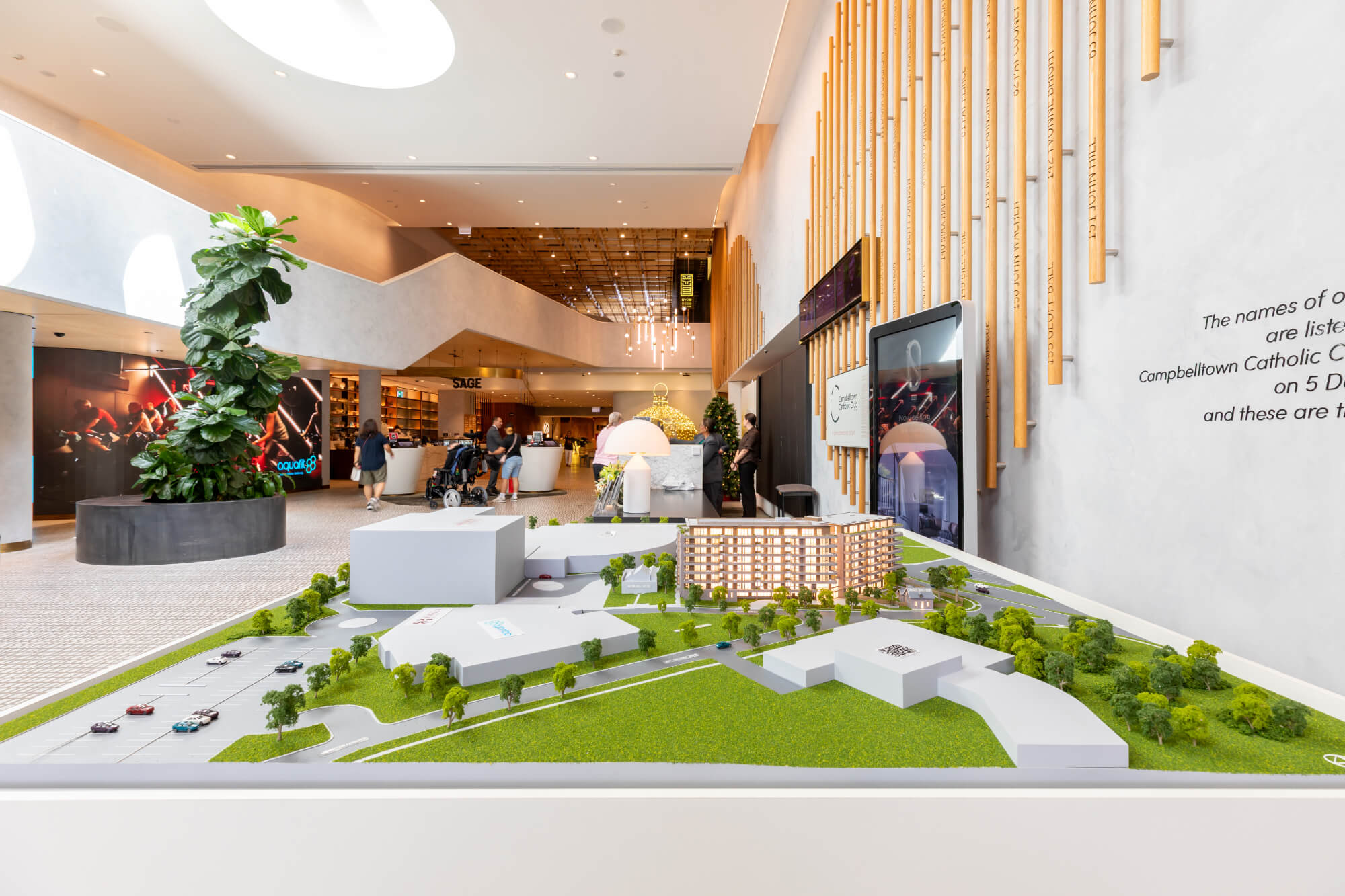
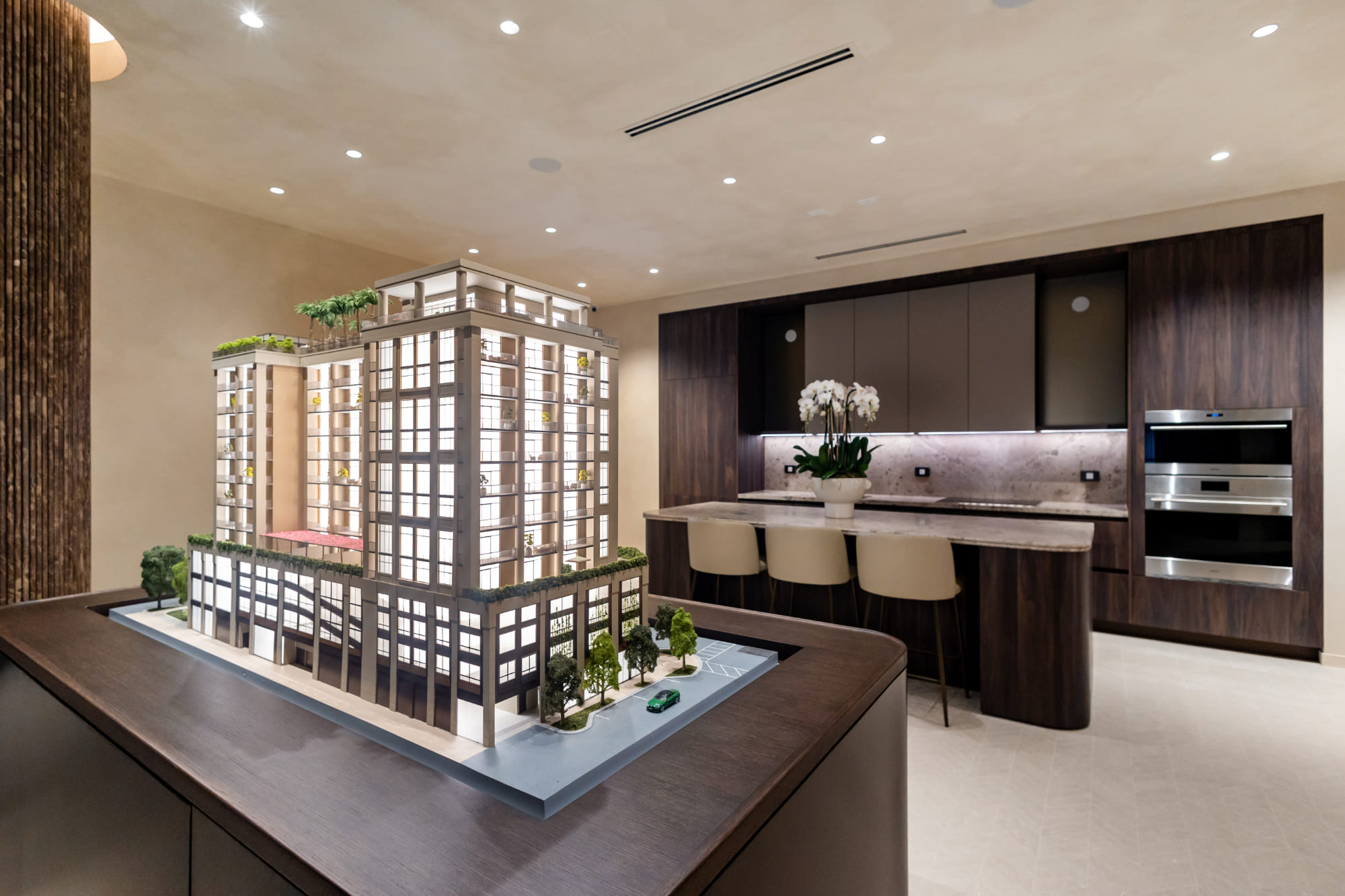
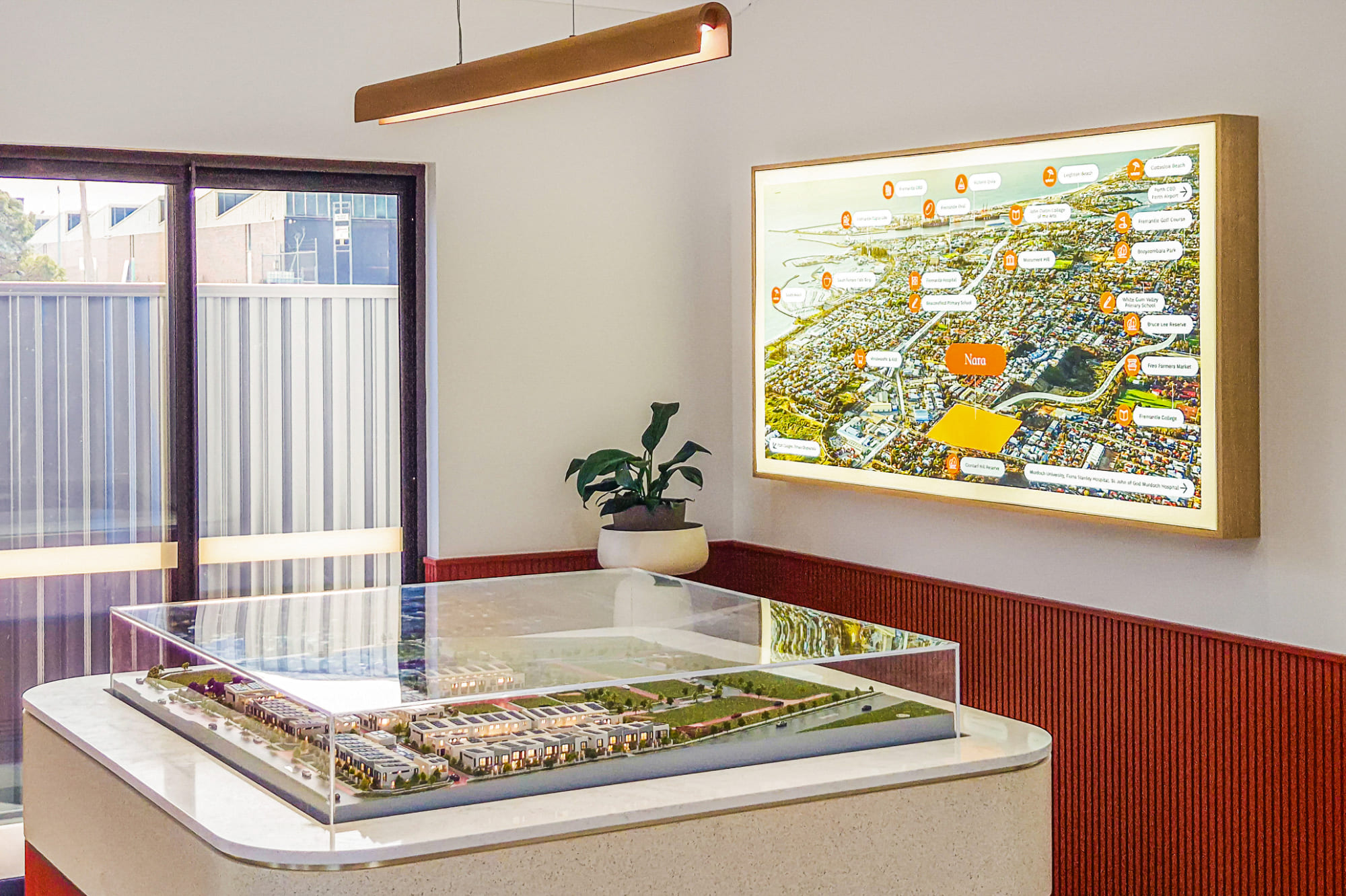
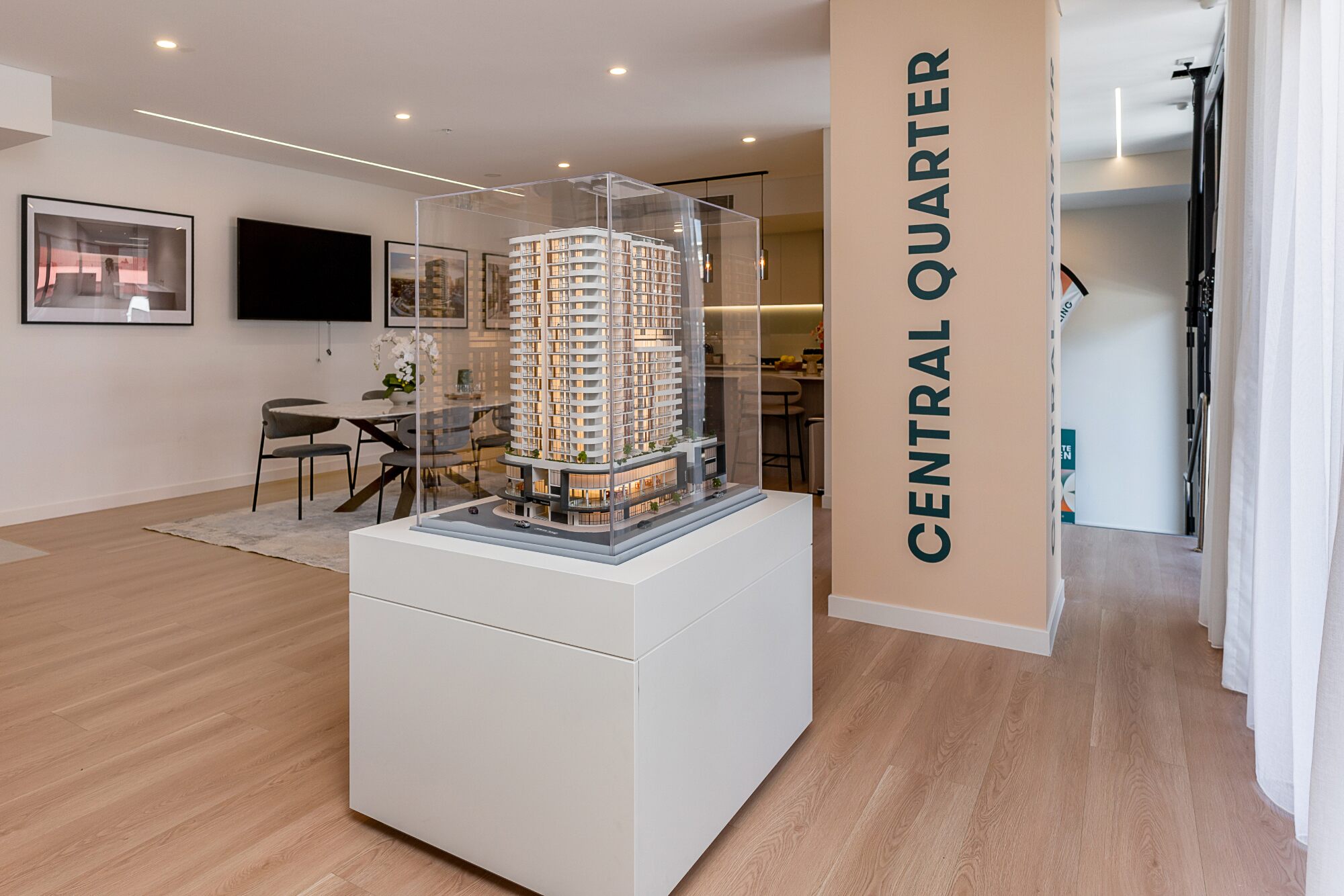
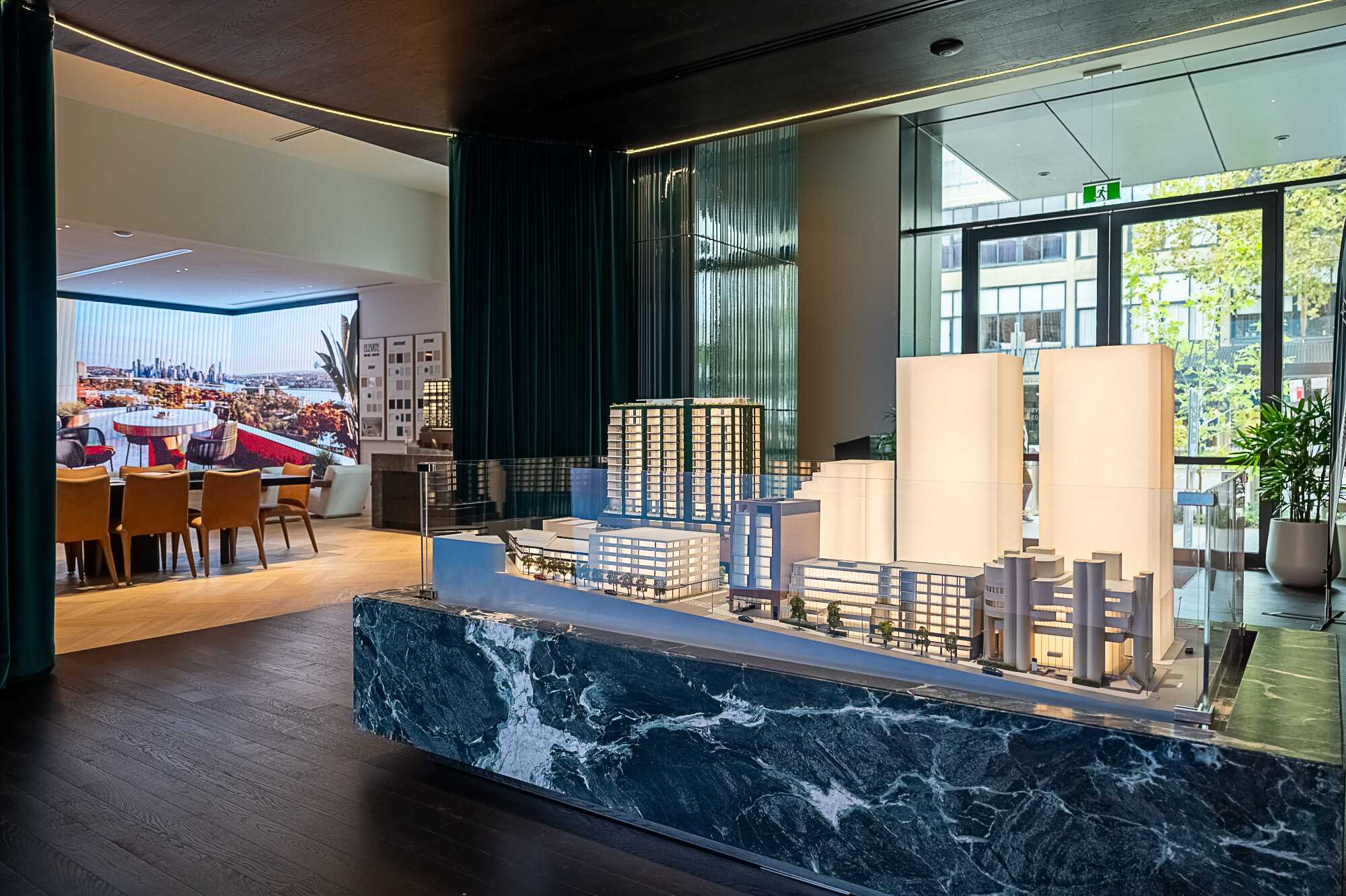
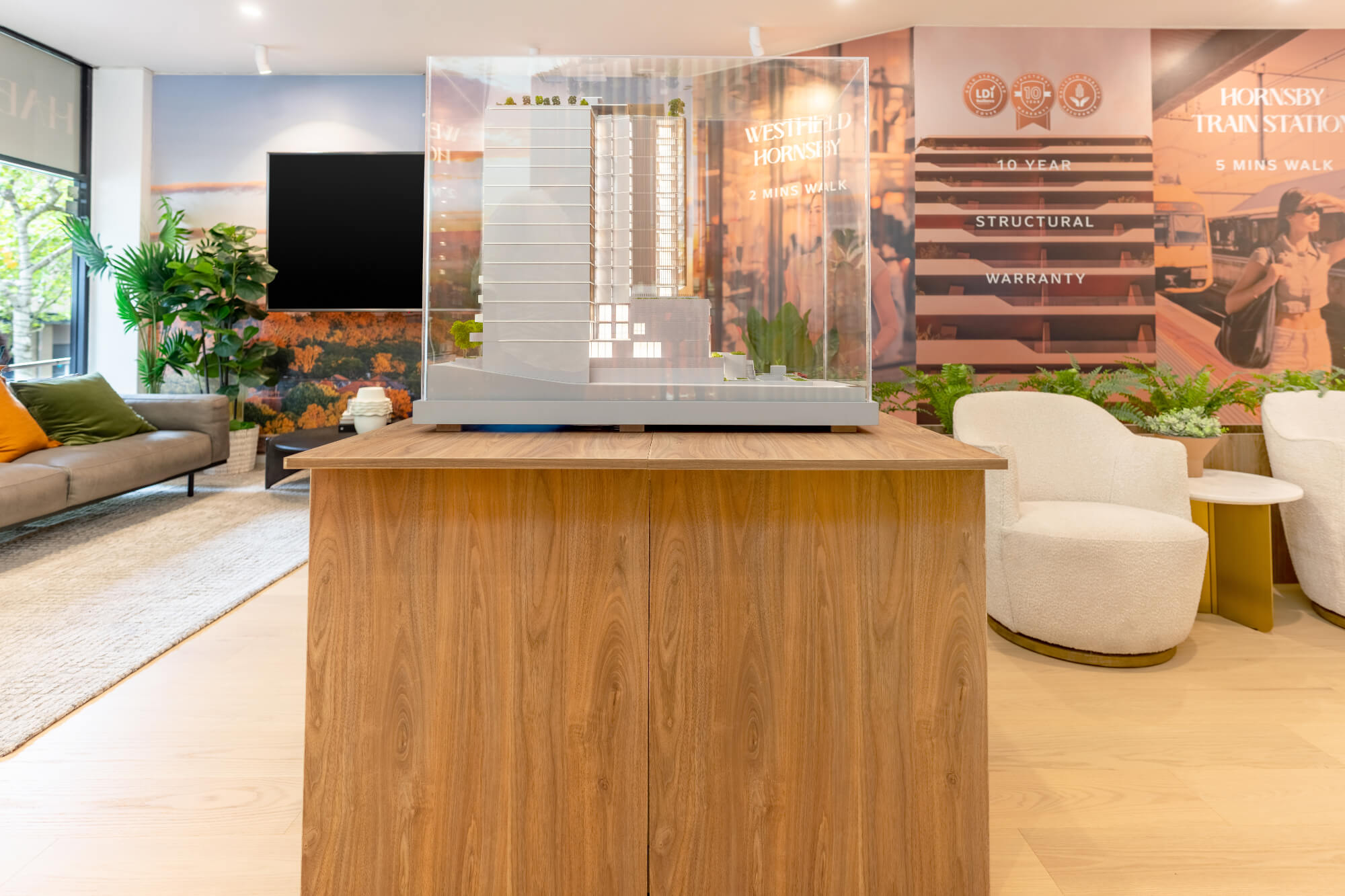
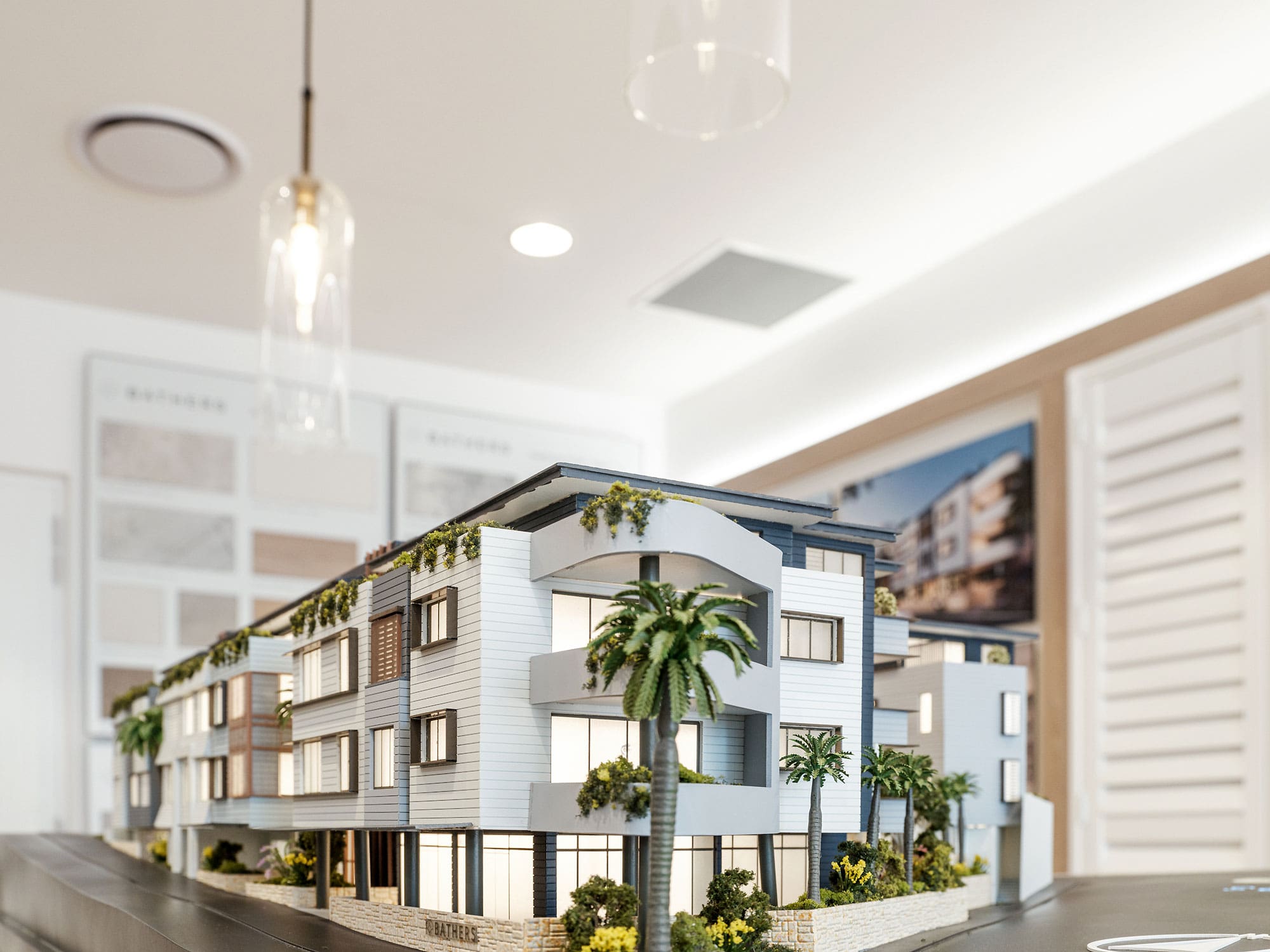
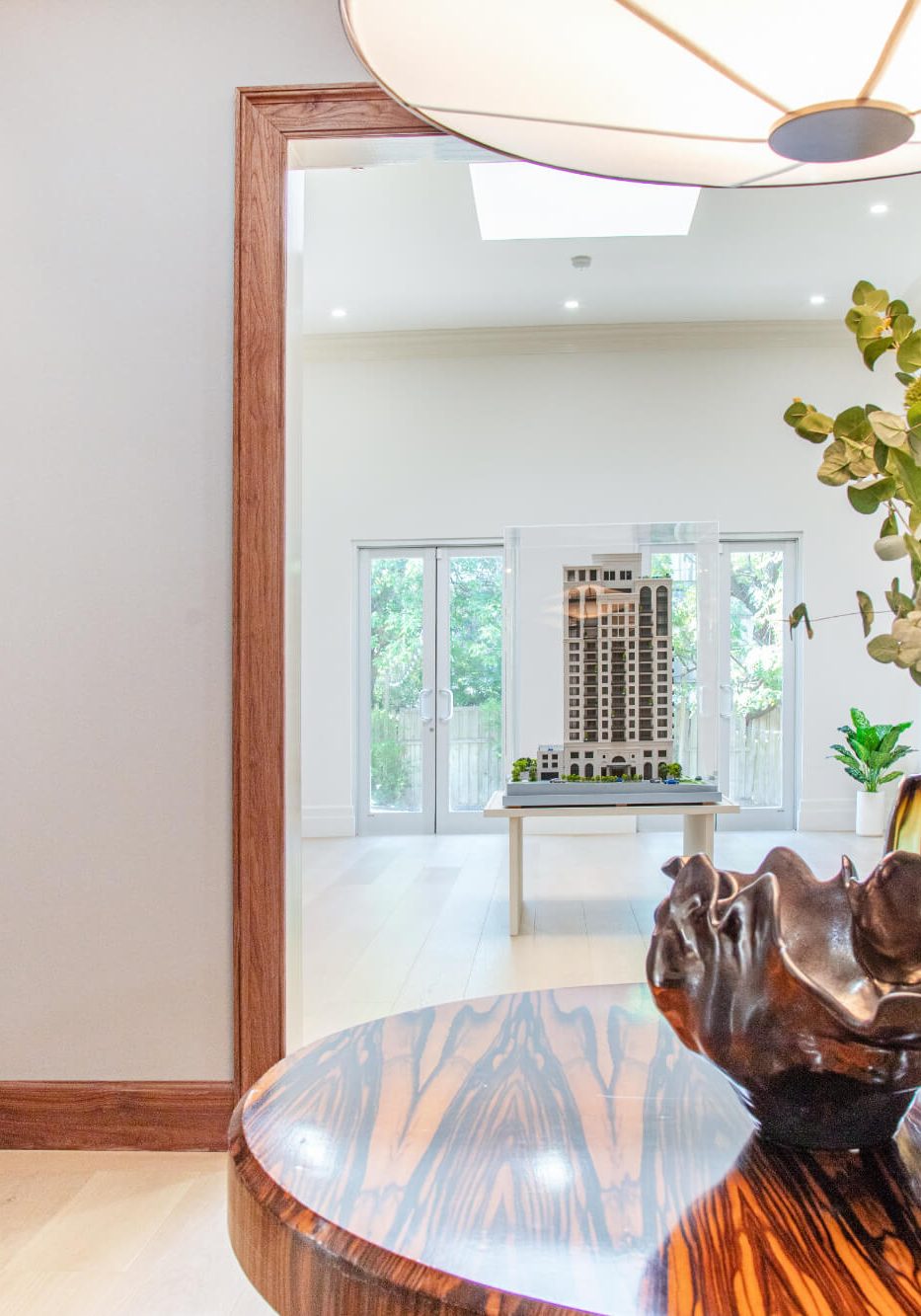
In commercial terms, scale models also strengthen project positioning. In display suites, investor briefings and marketing environments, a professionally produced architectural model communicates ambition and quality immediately. It creates confidence by presenting the development as a coherent, resolved proposal rather than an abstract concept.
Premier3D partners with property developers across Australia to deliver architectural scale models that are technically precise, commercially strategic and built to exacting standards. Every model is produced with intent, ensuring it reflects both the design and the development vision behind it.
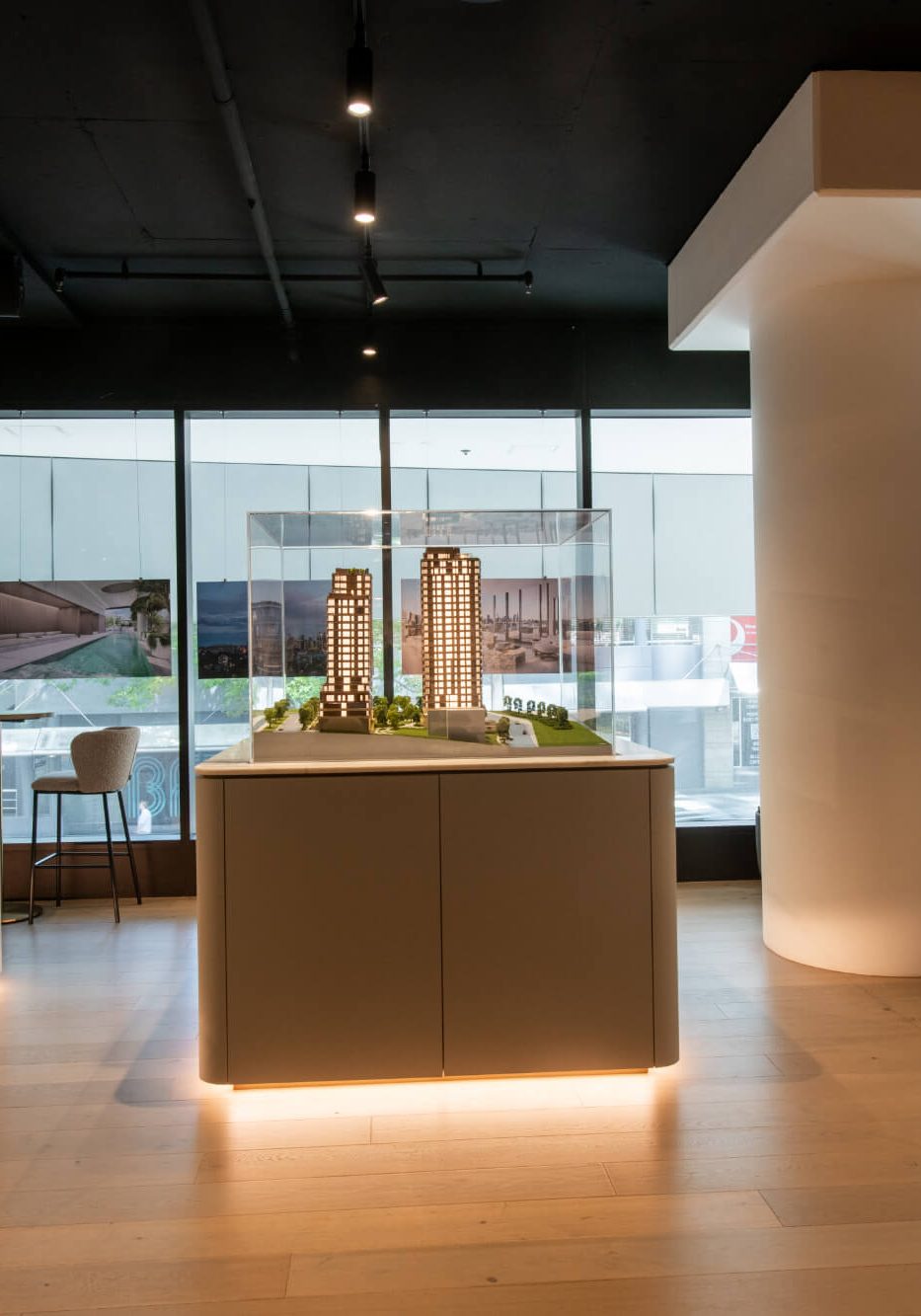
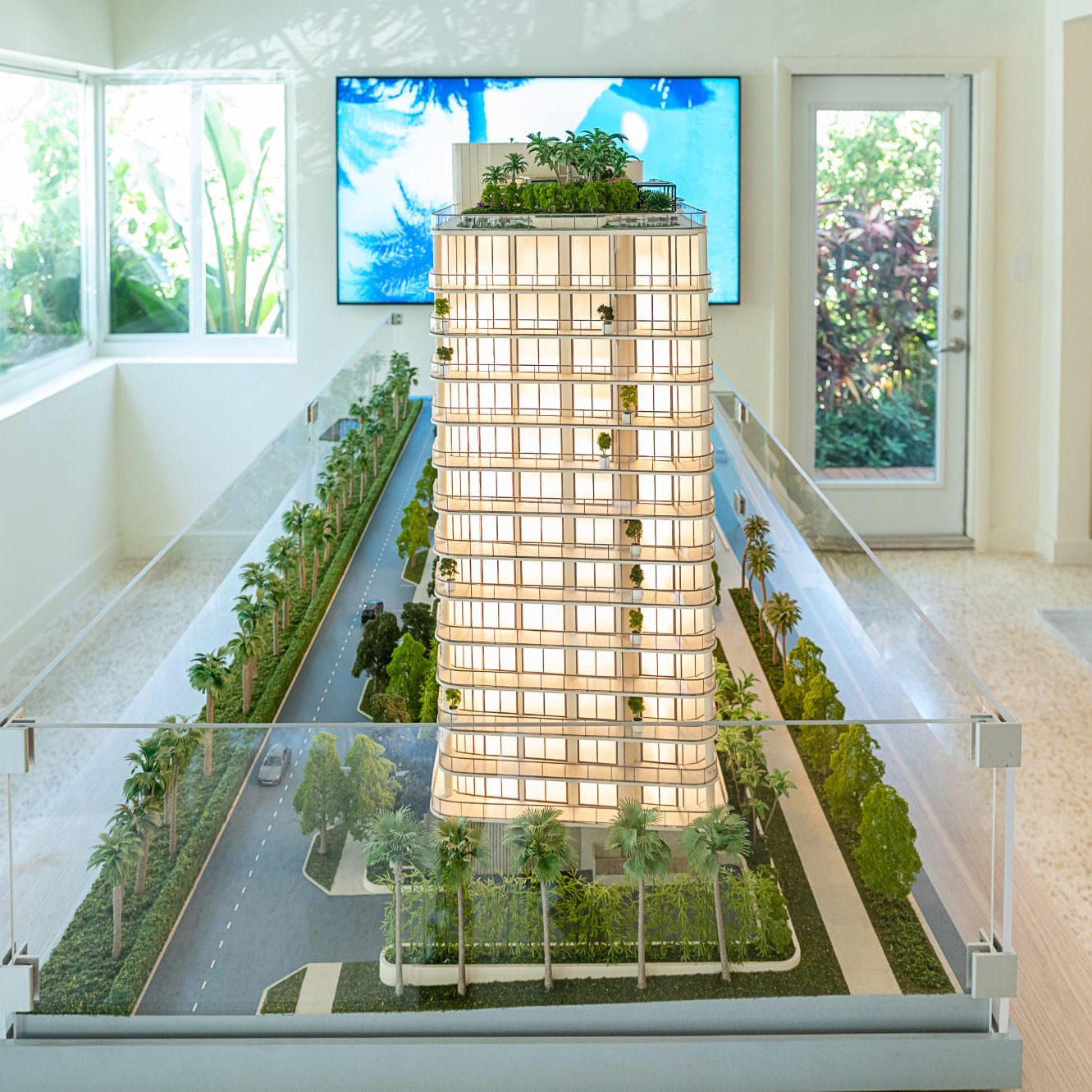
TYPES OF 3D SCALE MODELS FOR PROPERTY DEVELOPERS
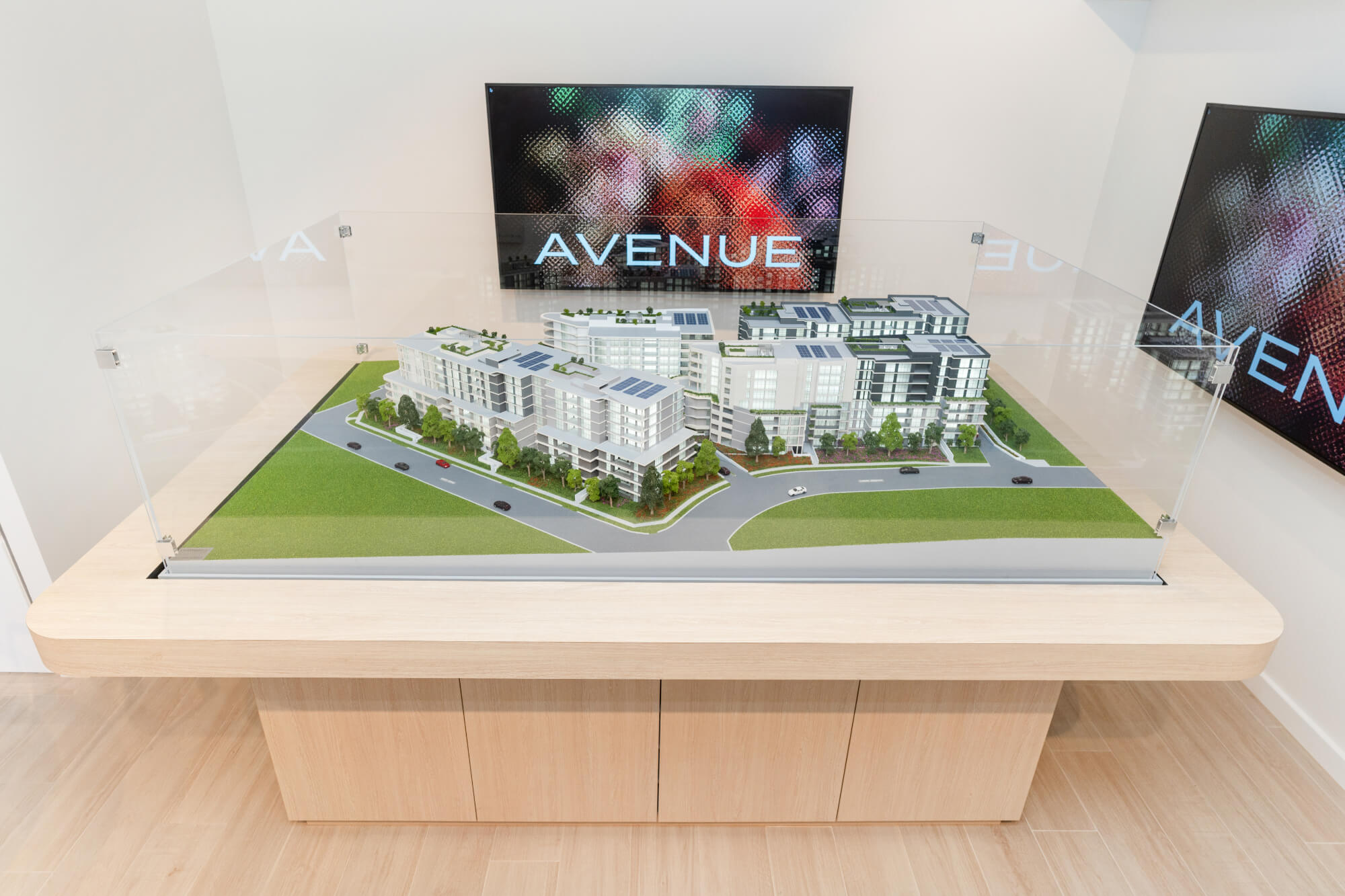
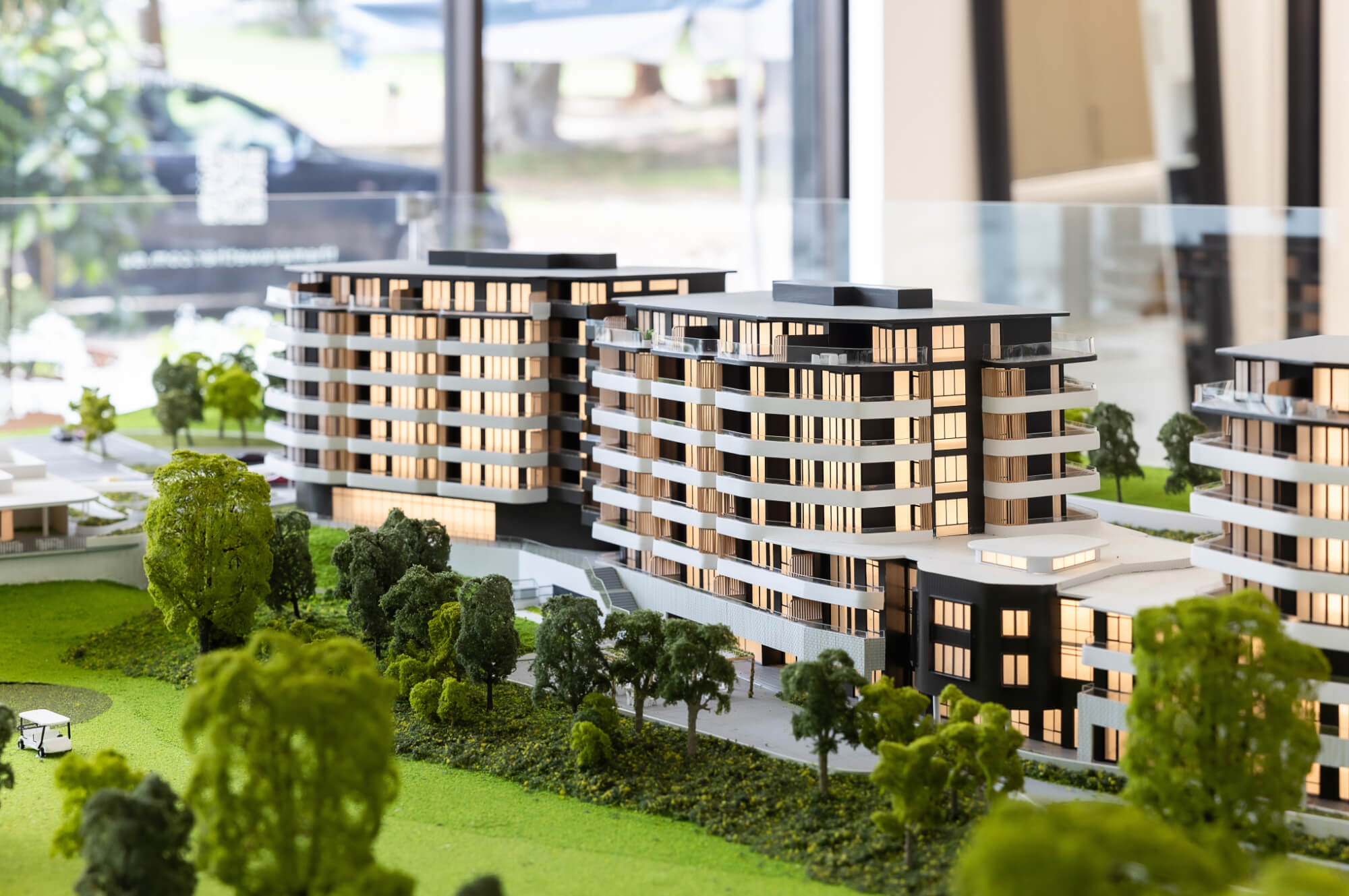
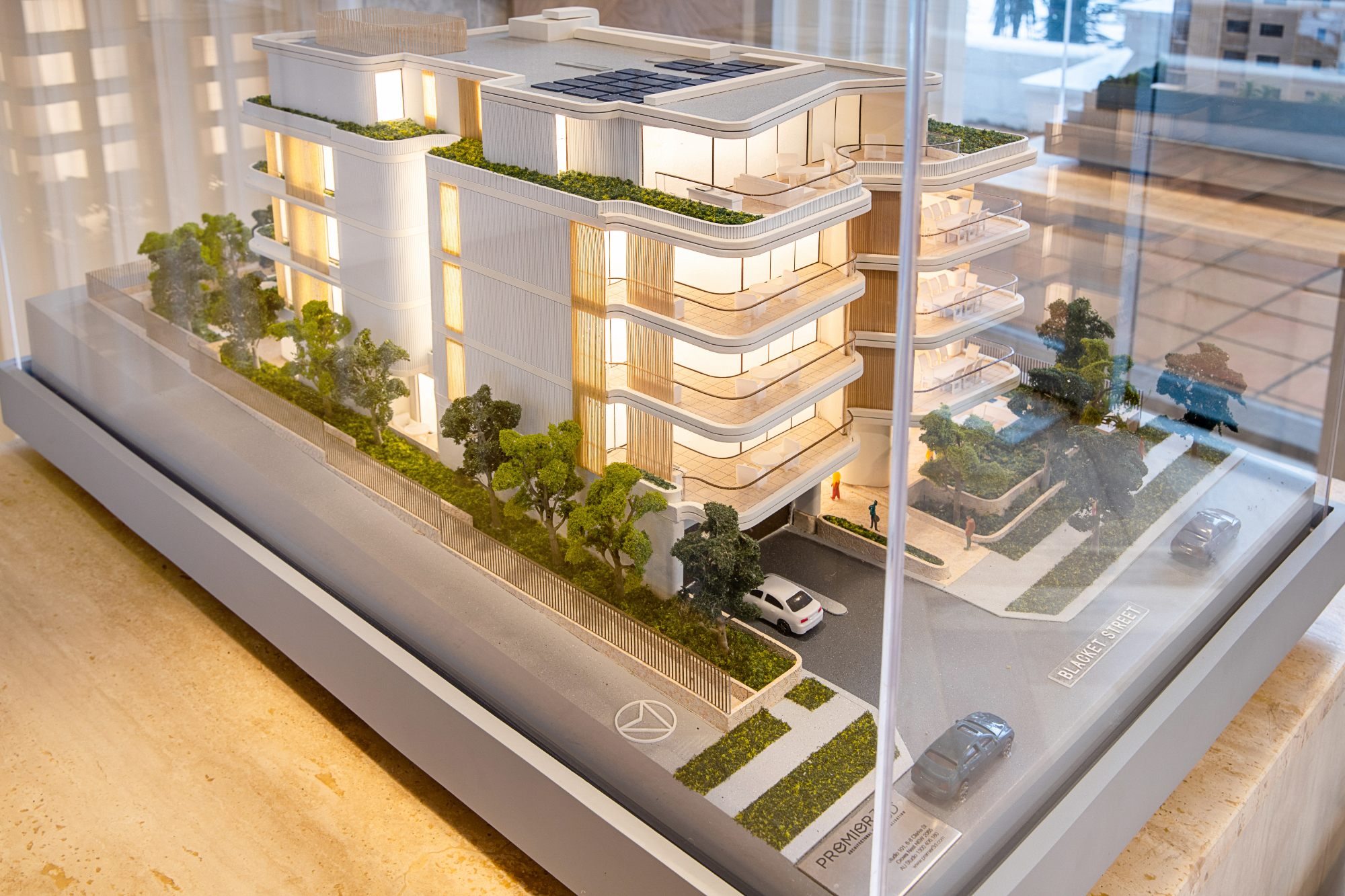
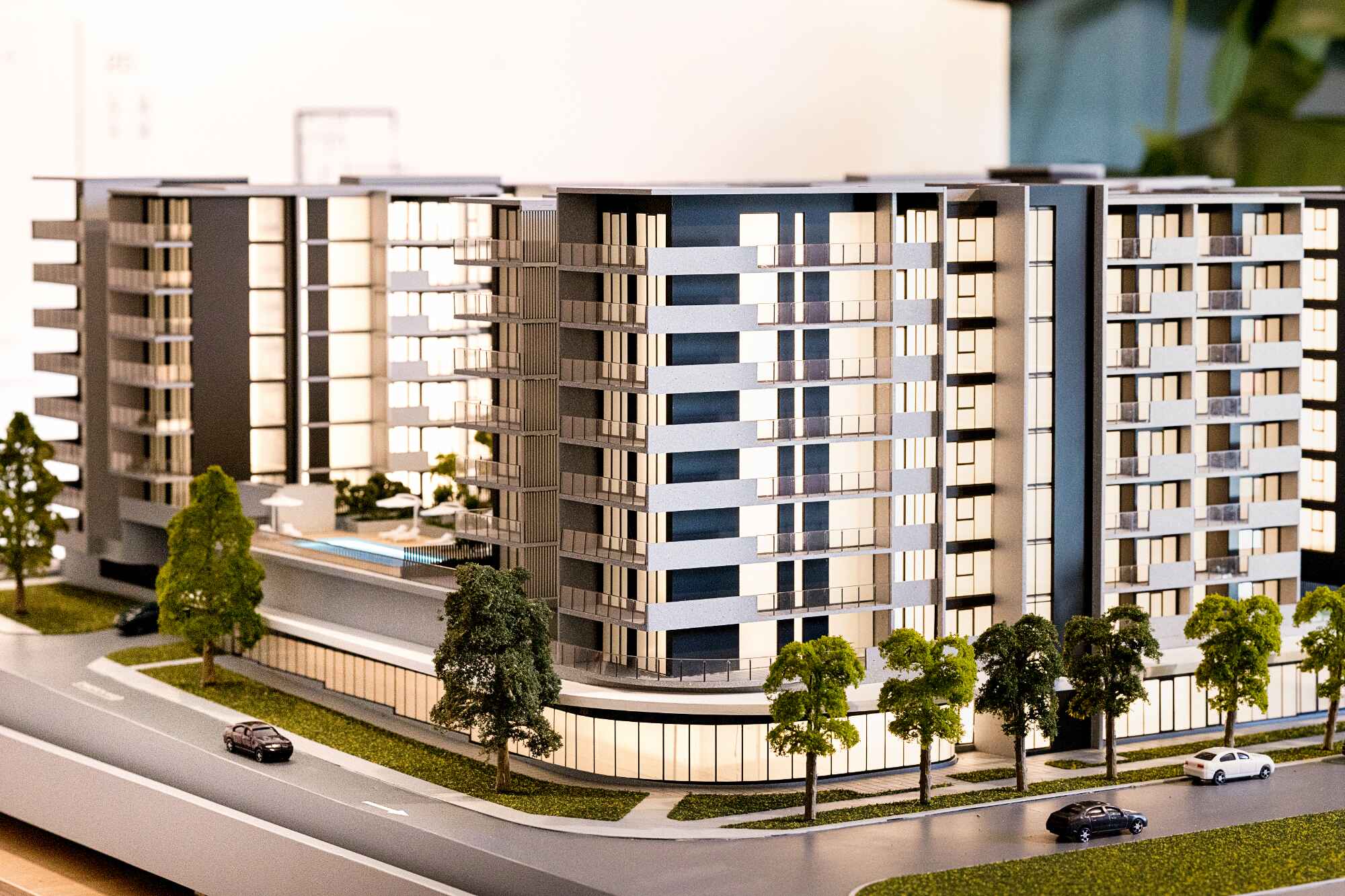
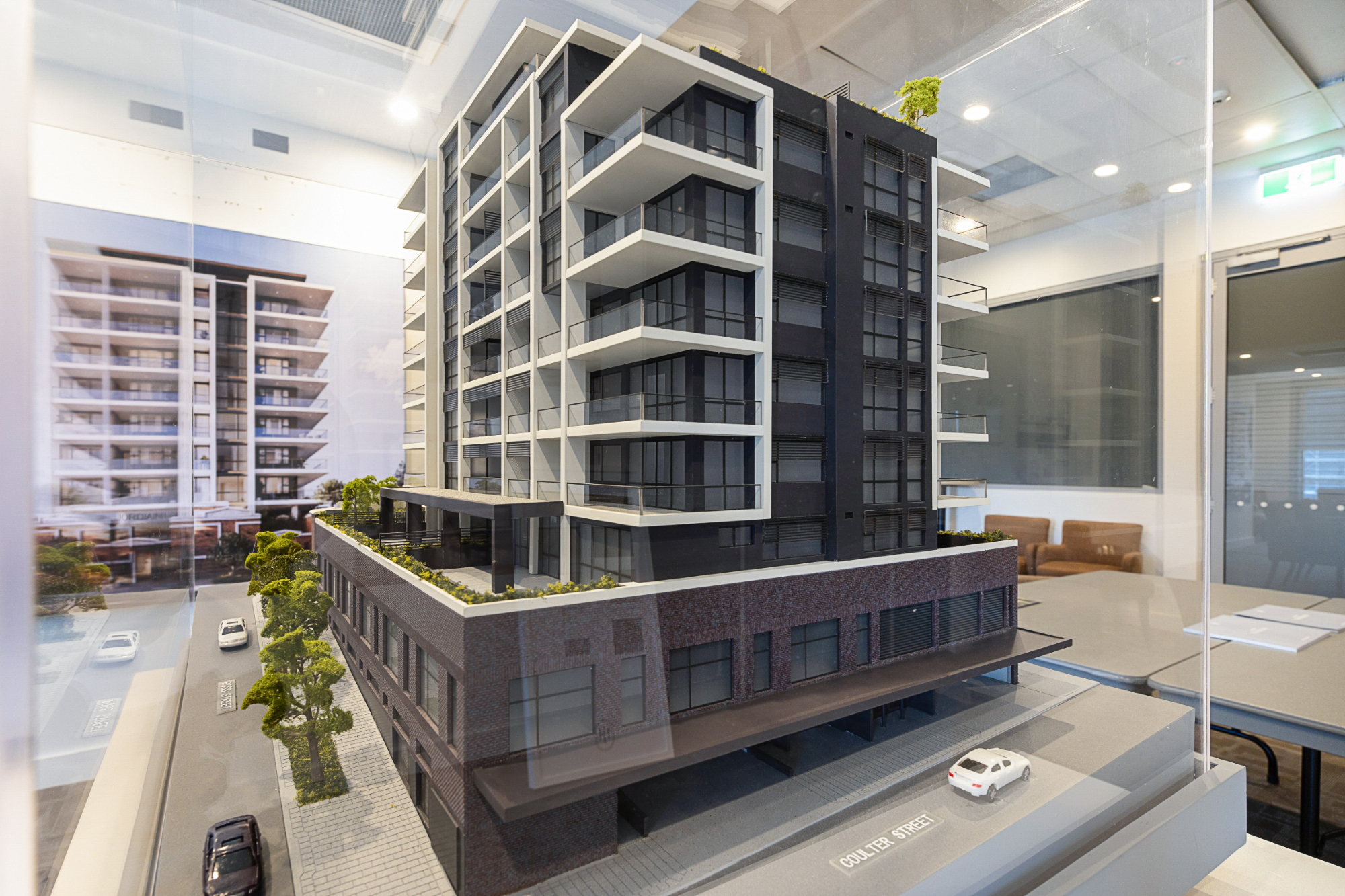
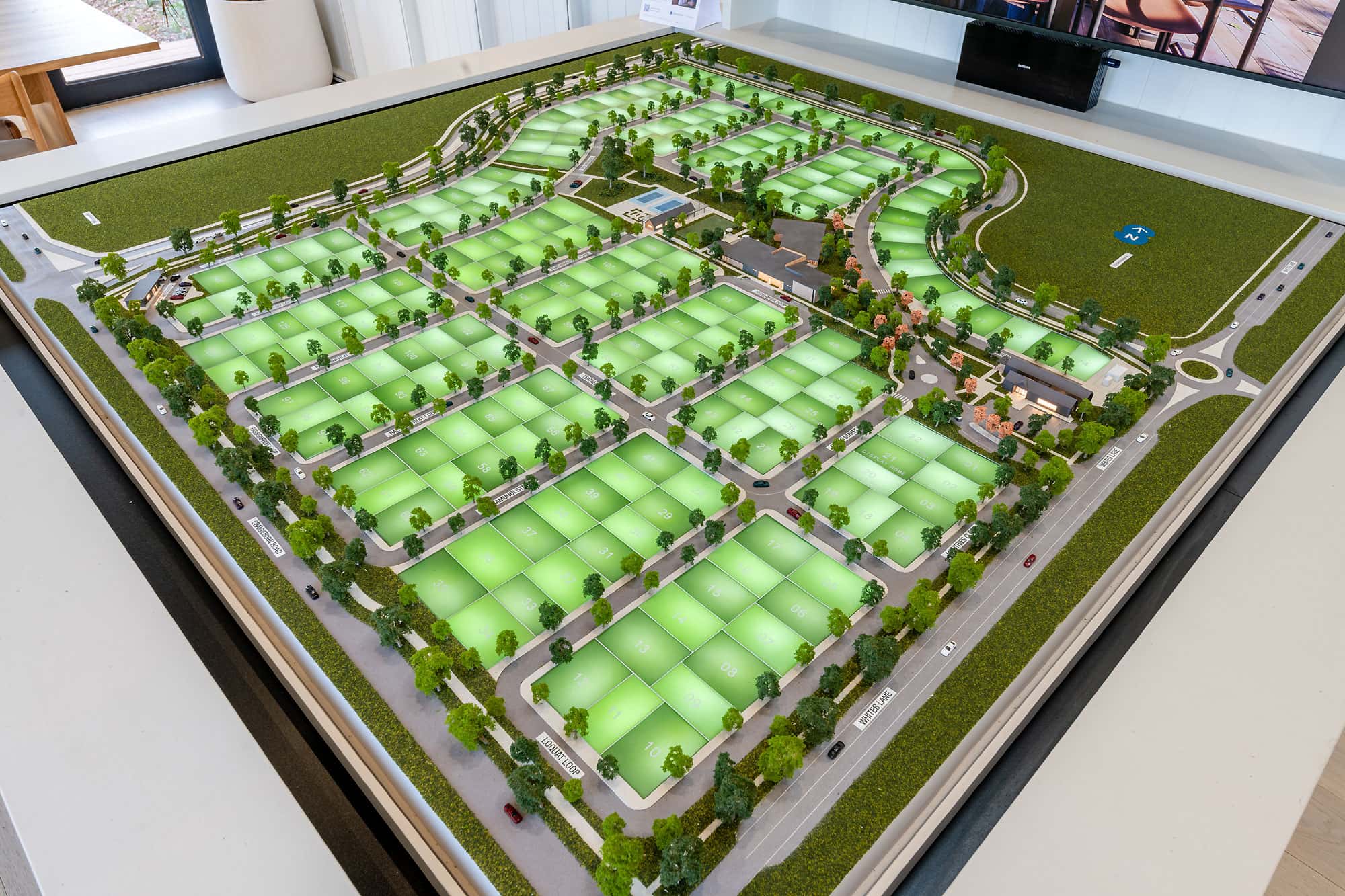
3D architectural scale models are carefully constructed physical representations of proposed developments, produced to an exact scale. For property developers, they provide a clear and measurable way to present buildings, masterplans and precincts before construction begins.
Unlike abstract drawings, a scale model translates complex design information into a tangible format. It allows stakeholders to understand massing, spatial relationships and site integration instantly. From architectural planning and urban development through to major mixed use projects, scale models serve as a practical tool for communication, review and strategic presentation.
There are several types of 3D scale models used within property development, each designed to suit different stages of a project and specific commercial objectives. These include:
Terrain Scale Models
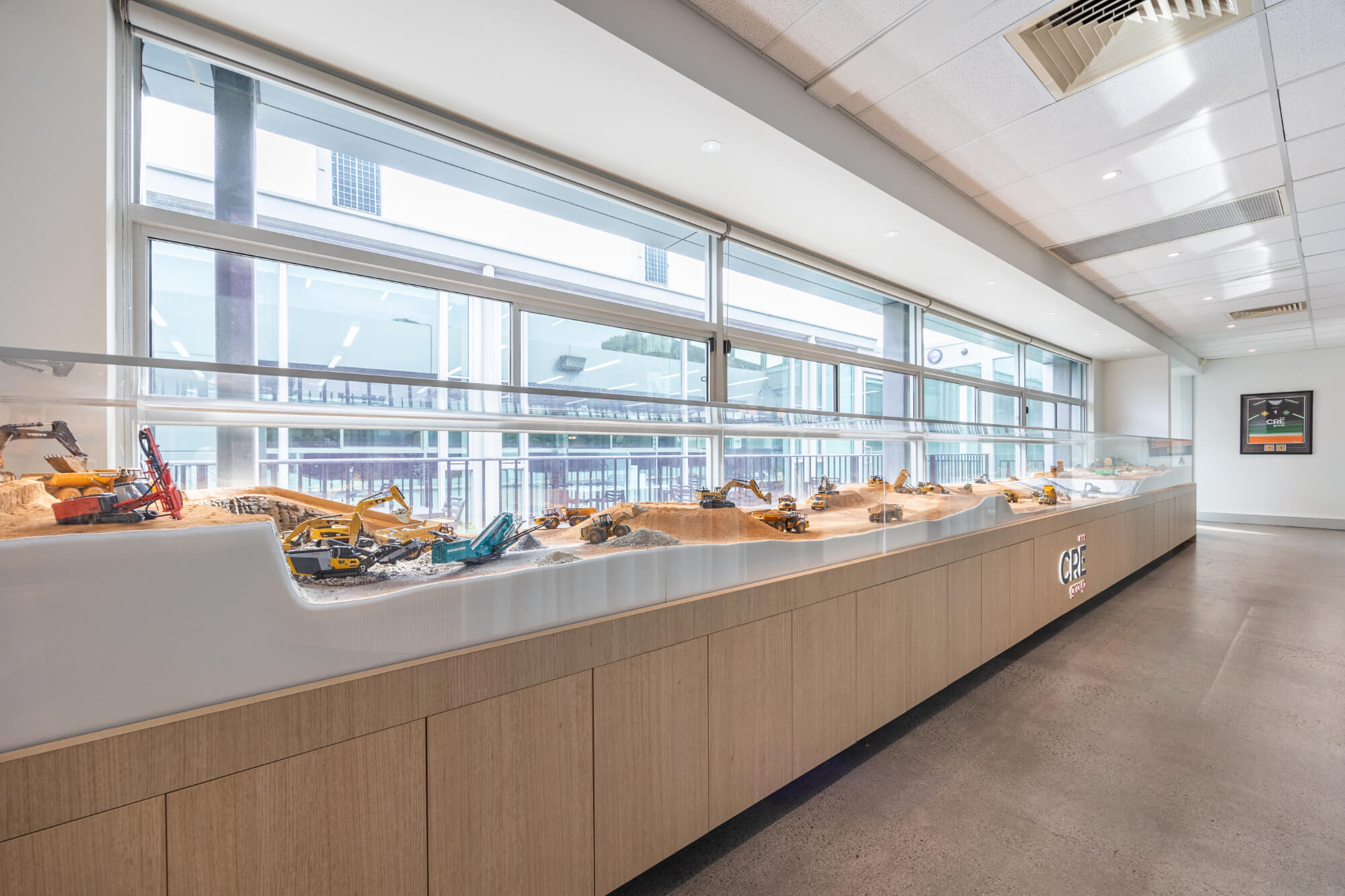
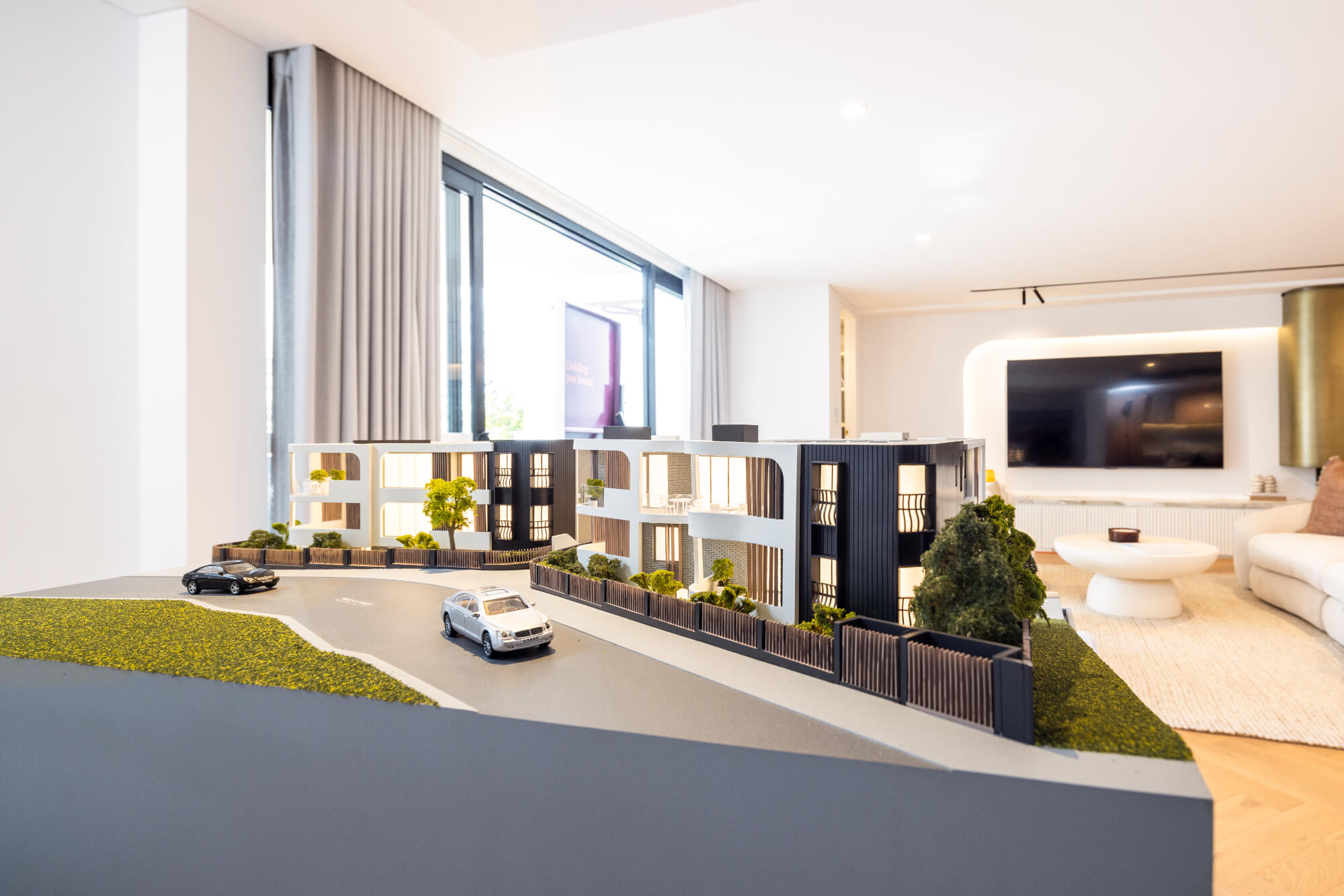
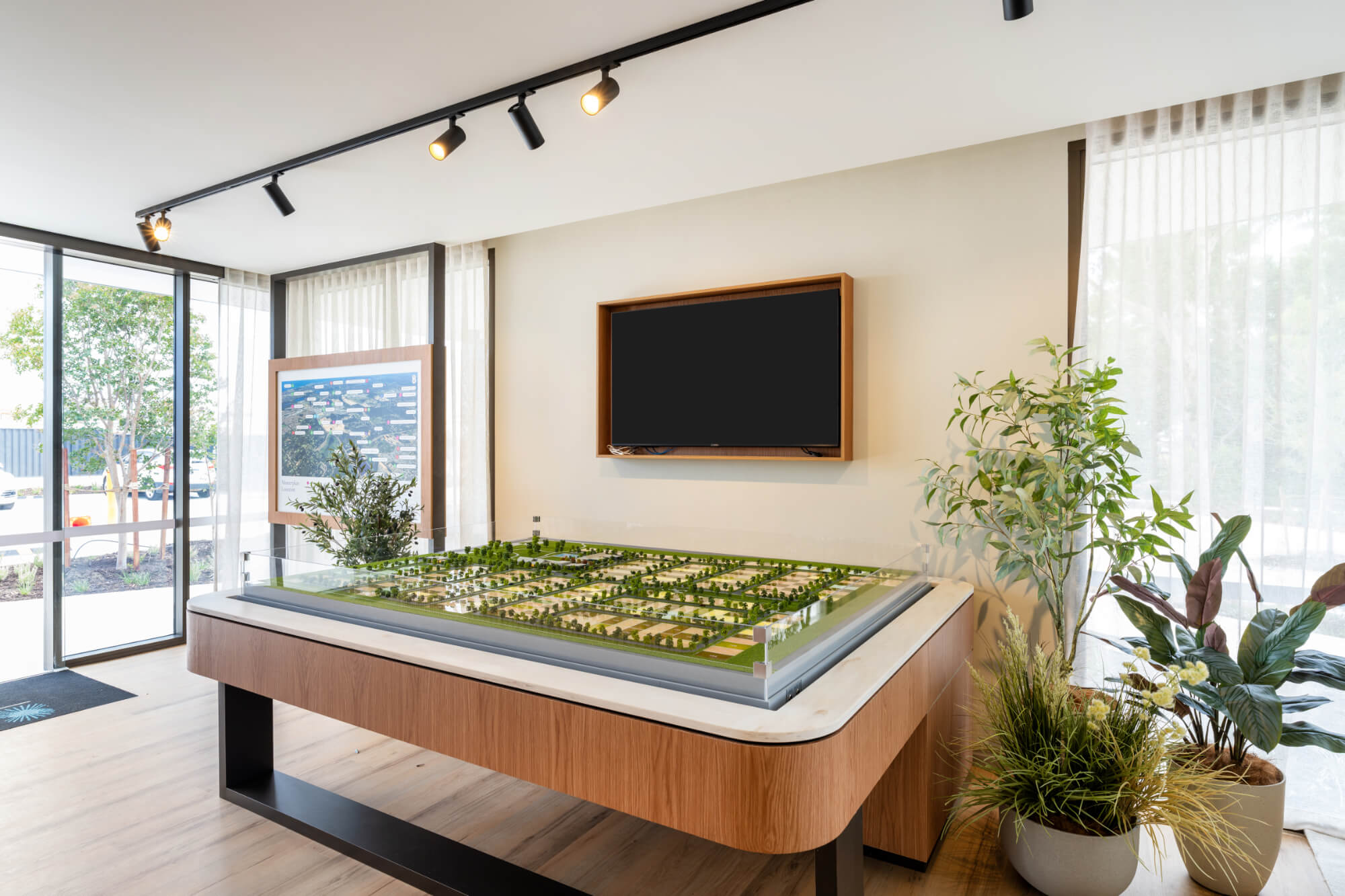
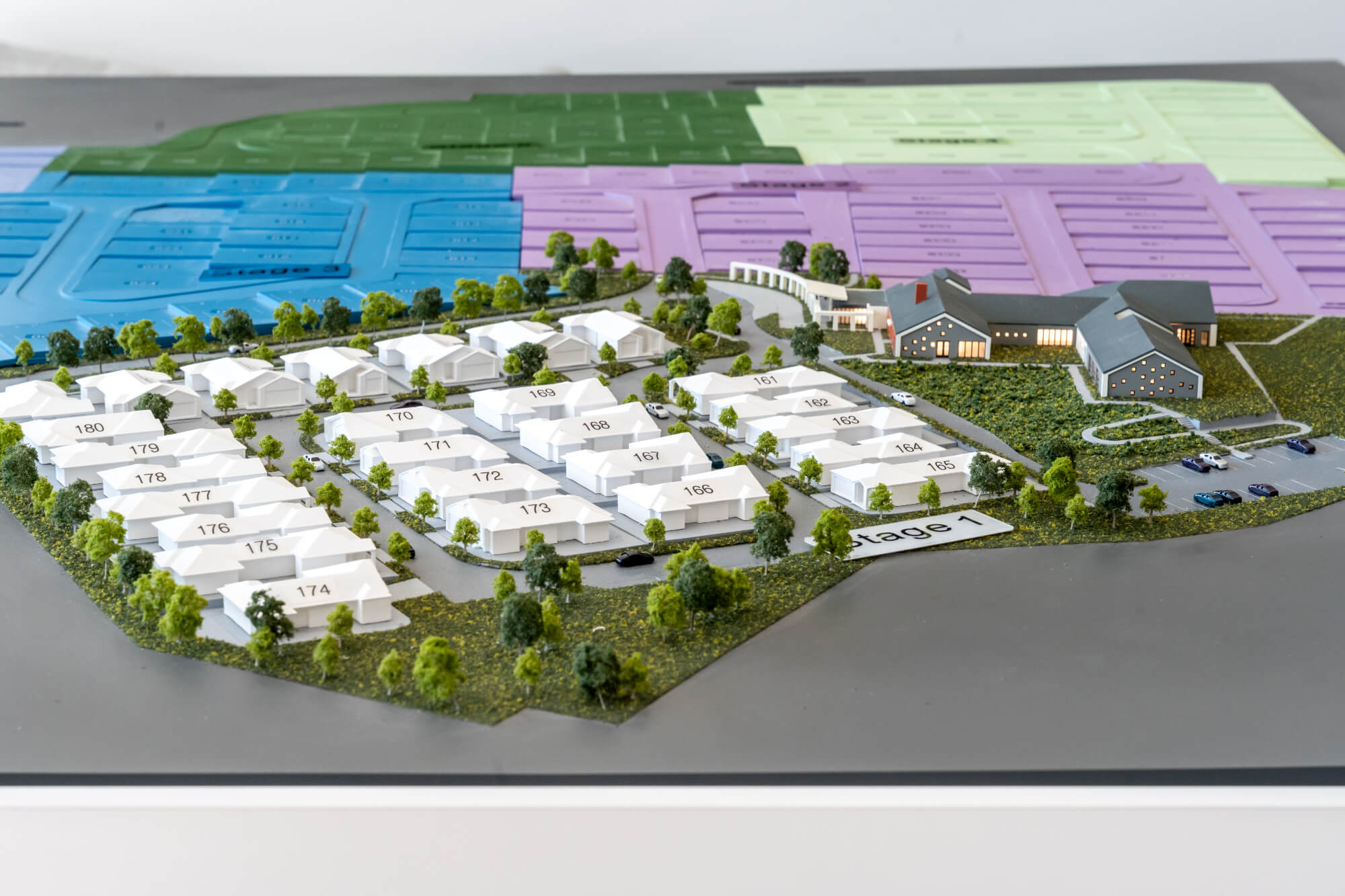
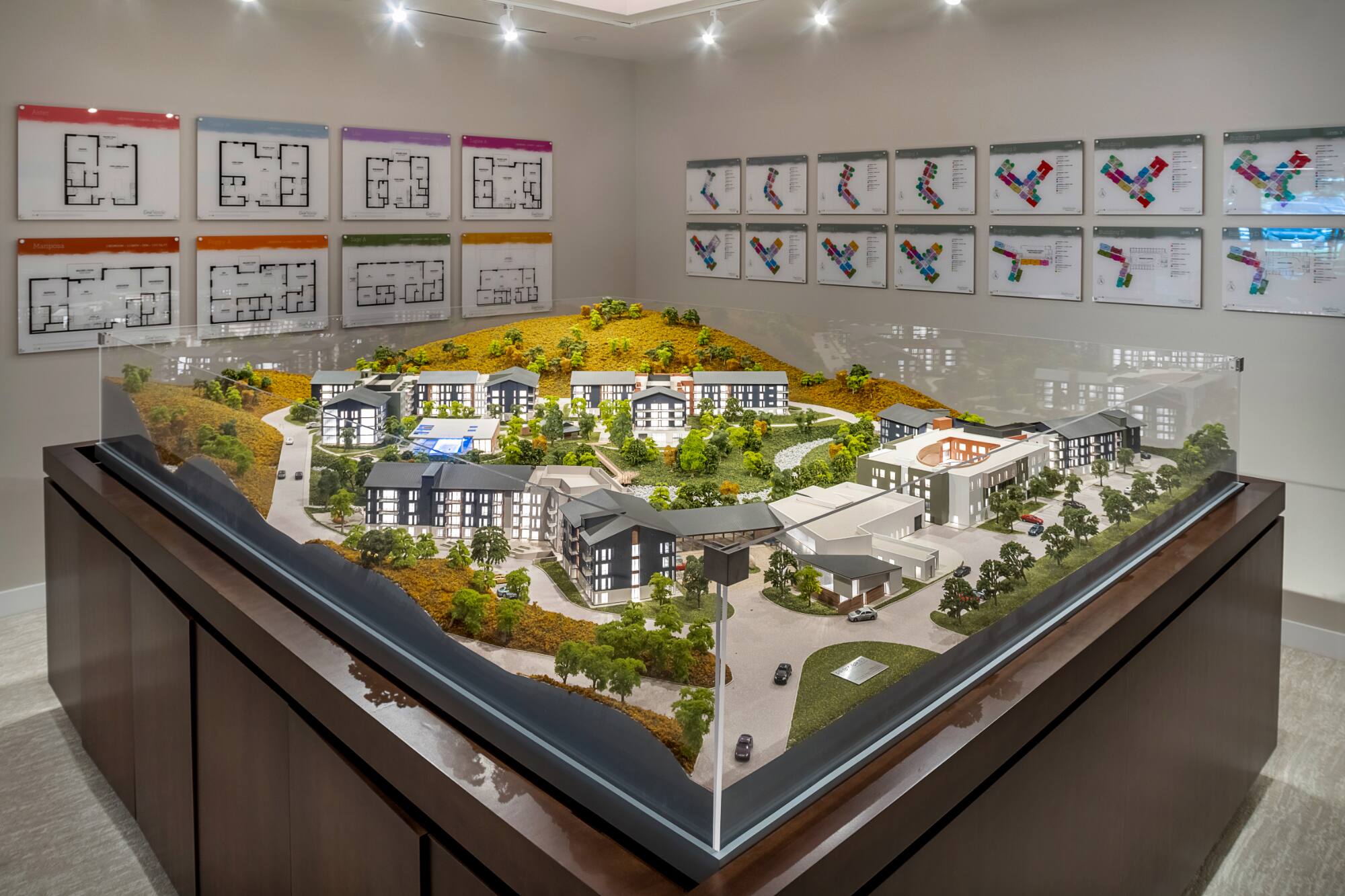
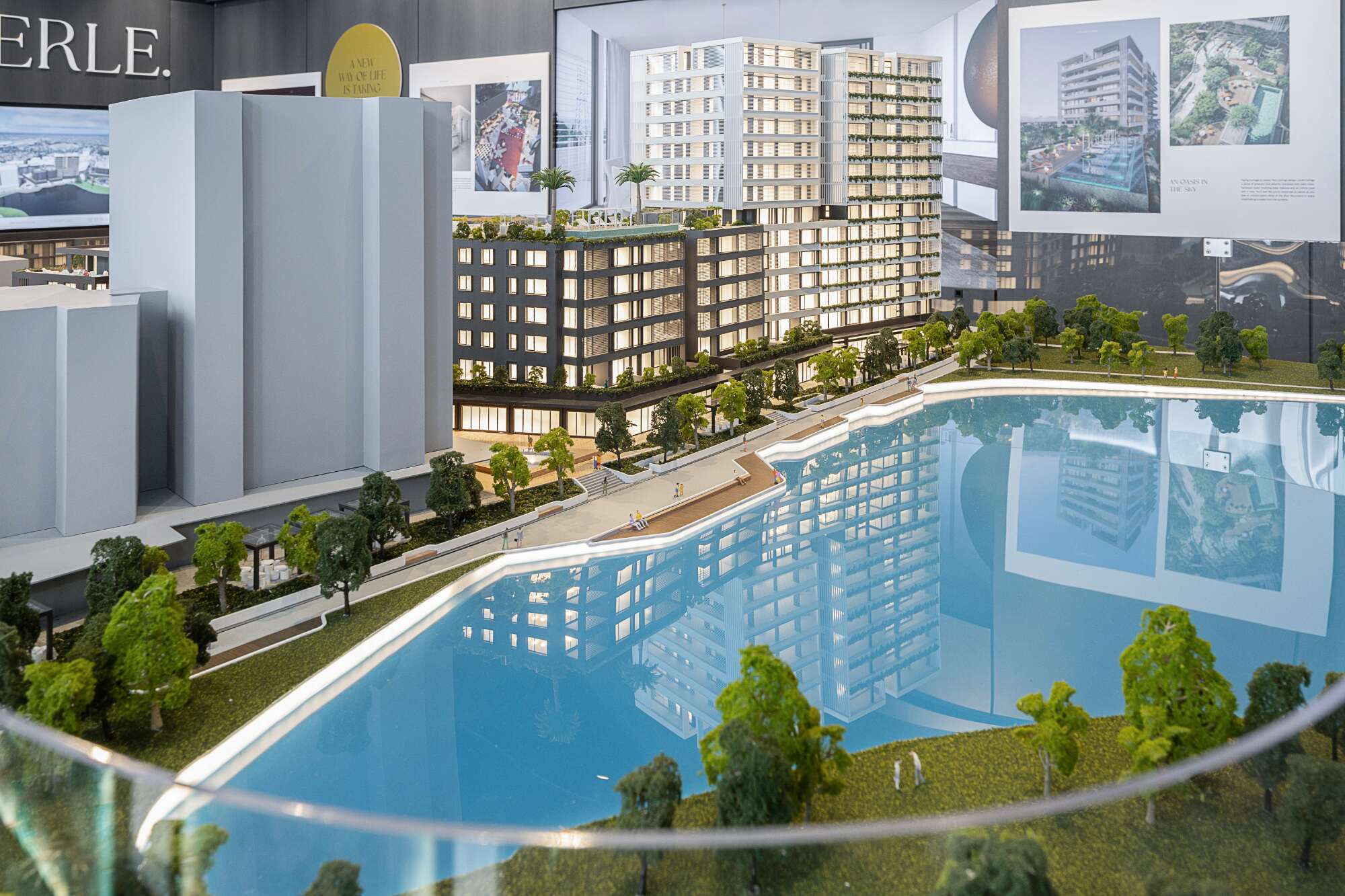
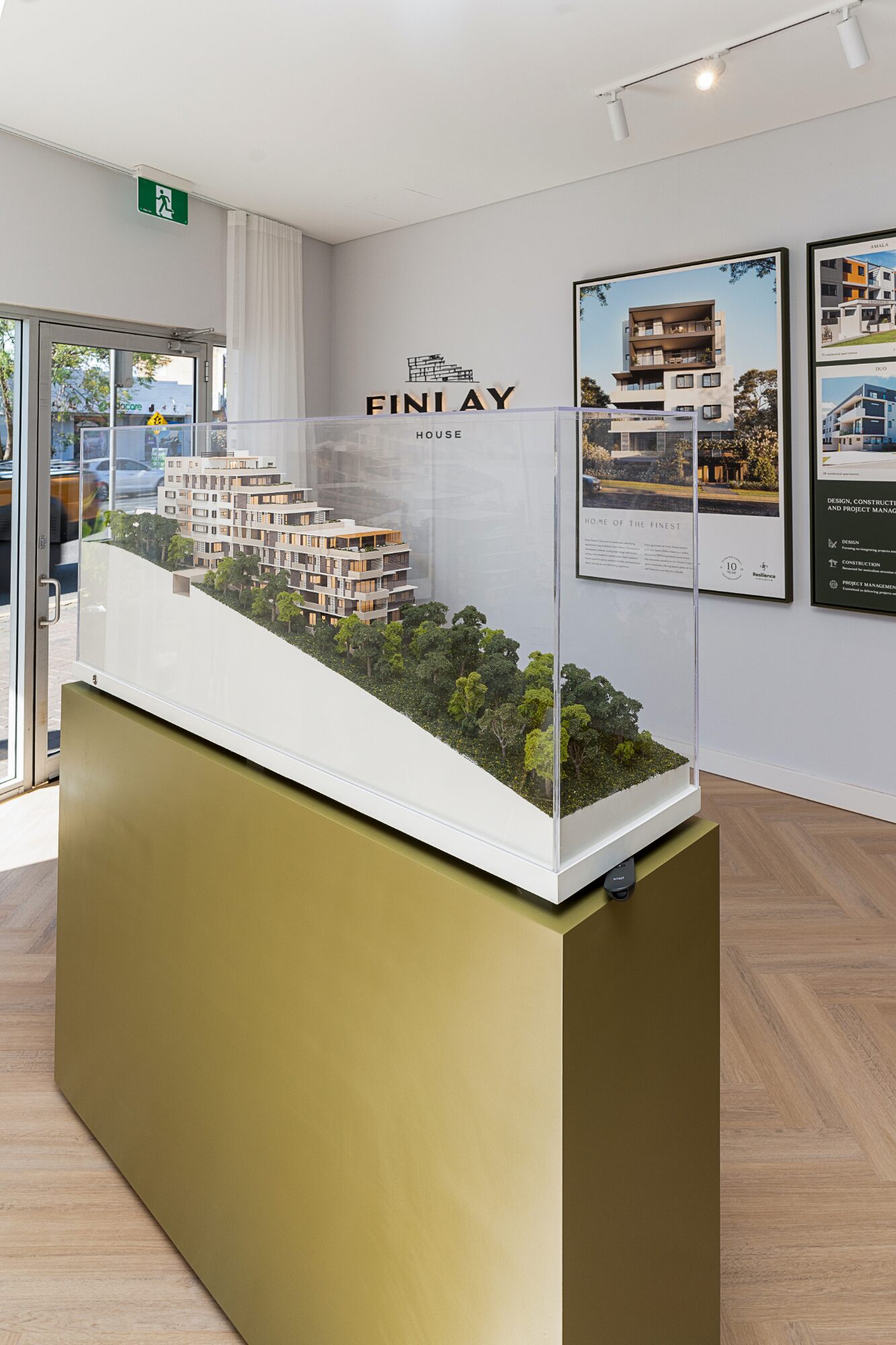
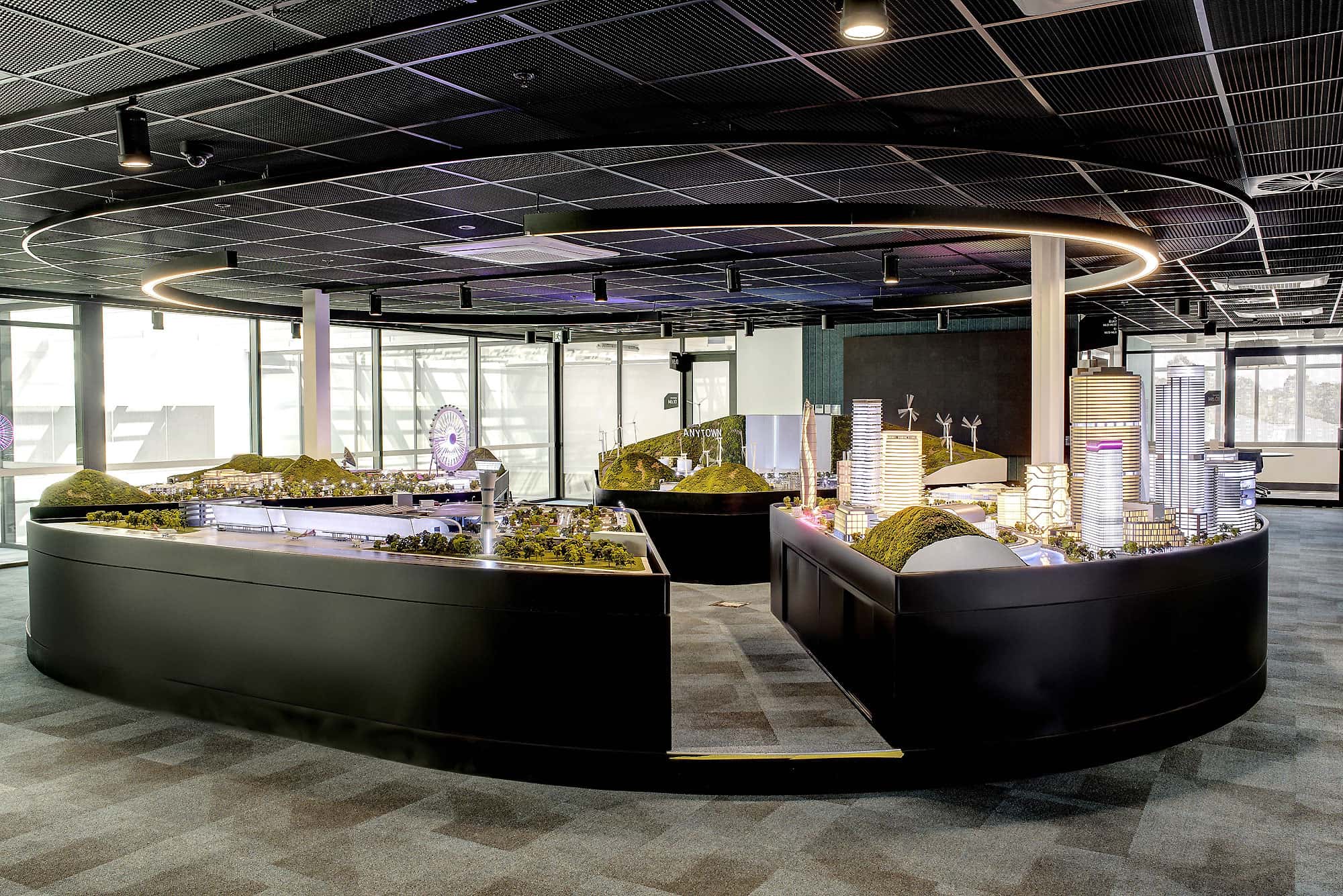
Terrain scale models are particularly valuable for property developers delivering projects on sites with varied or complex topography. They provide a detailed physical representation of the existing landscape, allowing project teams to clearly understand levels, contours and natural features before built form is introduced.
By accurately modelling the site context, terrain models help developers assess how a proposed building, masterplan or precinct integrates with its surroundings. They support more informed decisions around site planning, access, landscaping and public realm design, ensuring the development responds appropriately to its environment rather than working against it.
For projects involving parks, open space, waterfronts or sloping land, a terrain model provides clarity that drawings alone cannot achieve.
The Strategic Benefits of Terrain Scale Models
Terrain scale models support property development projects in several critical ways:
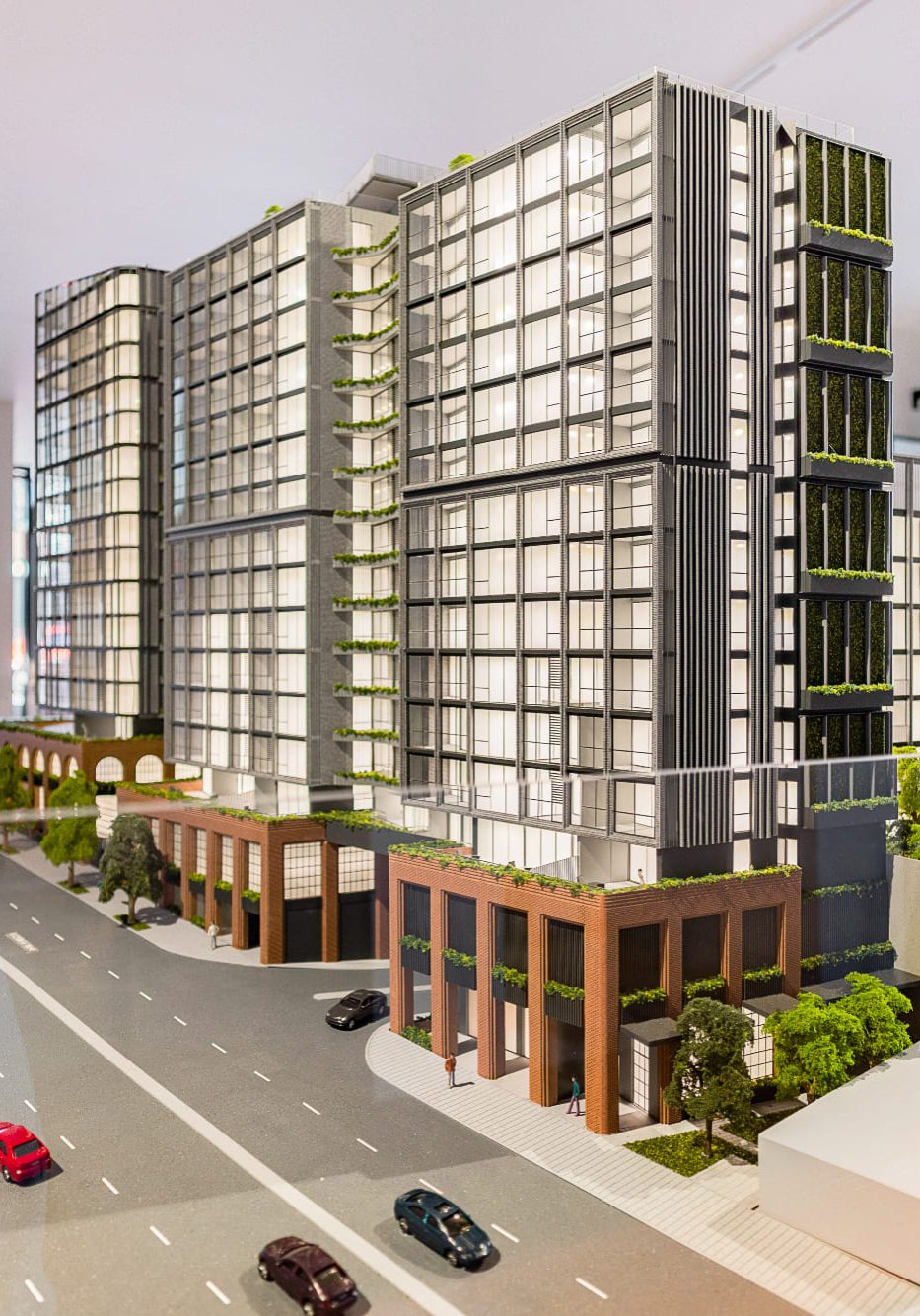
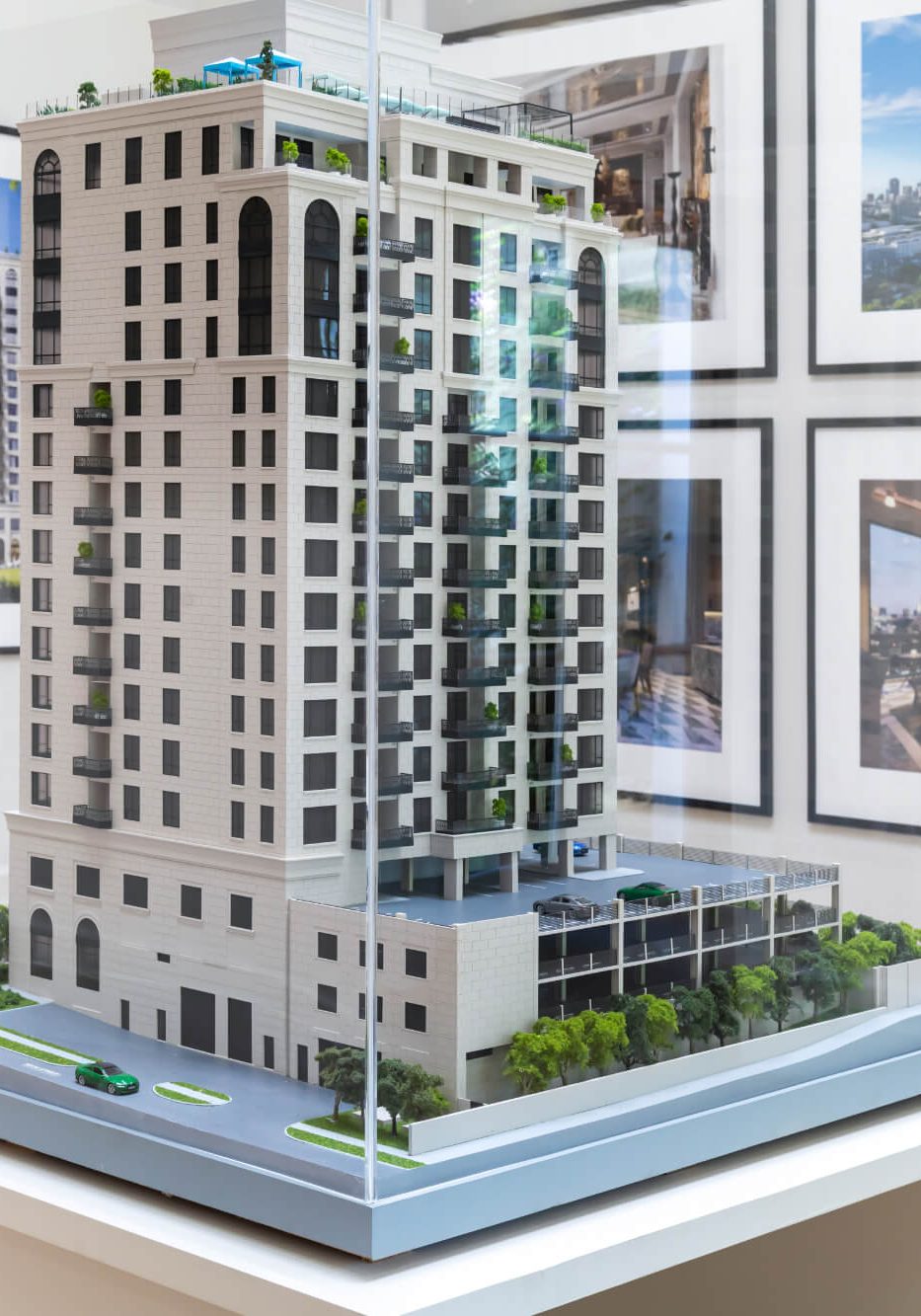
Interactive Scale Models for Property Developers
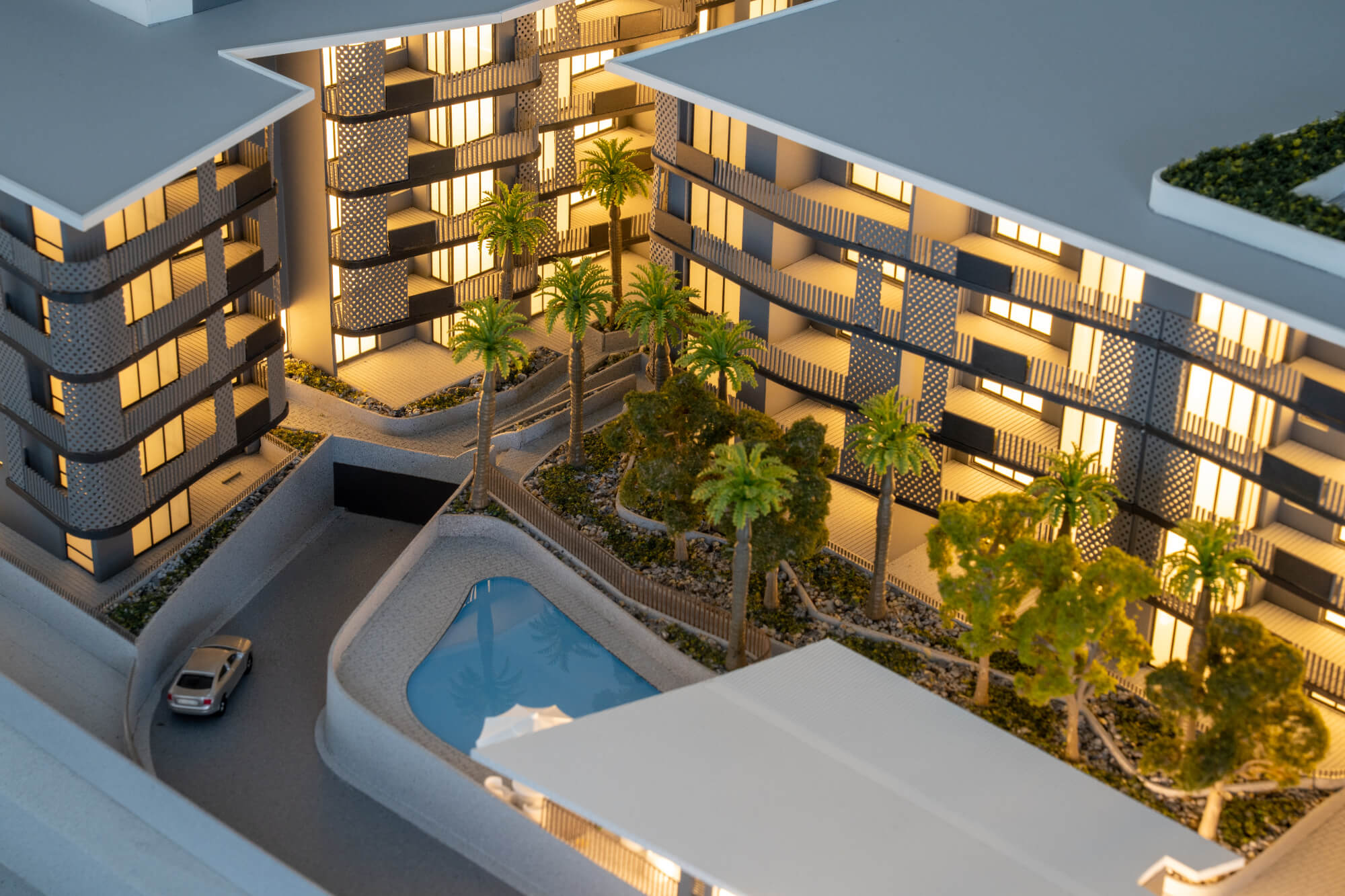
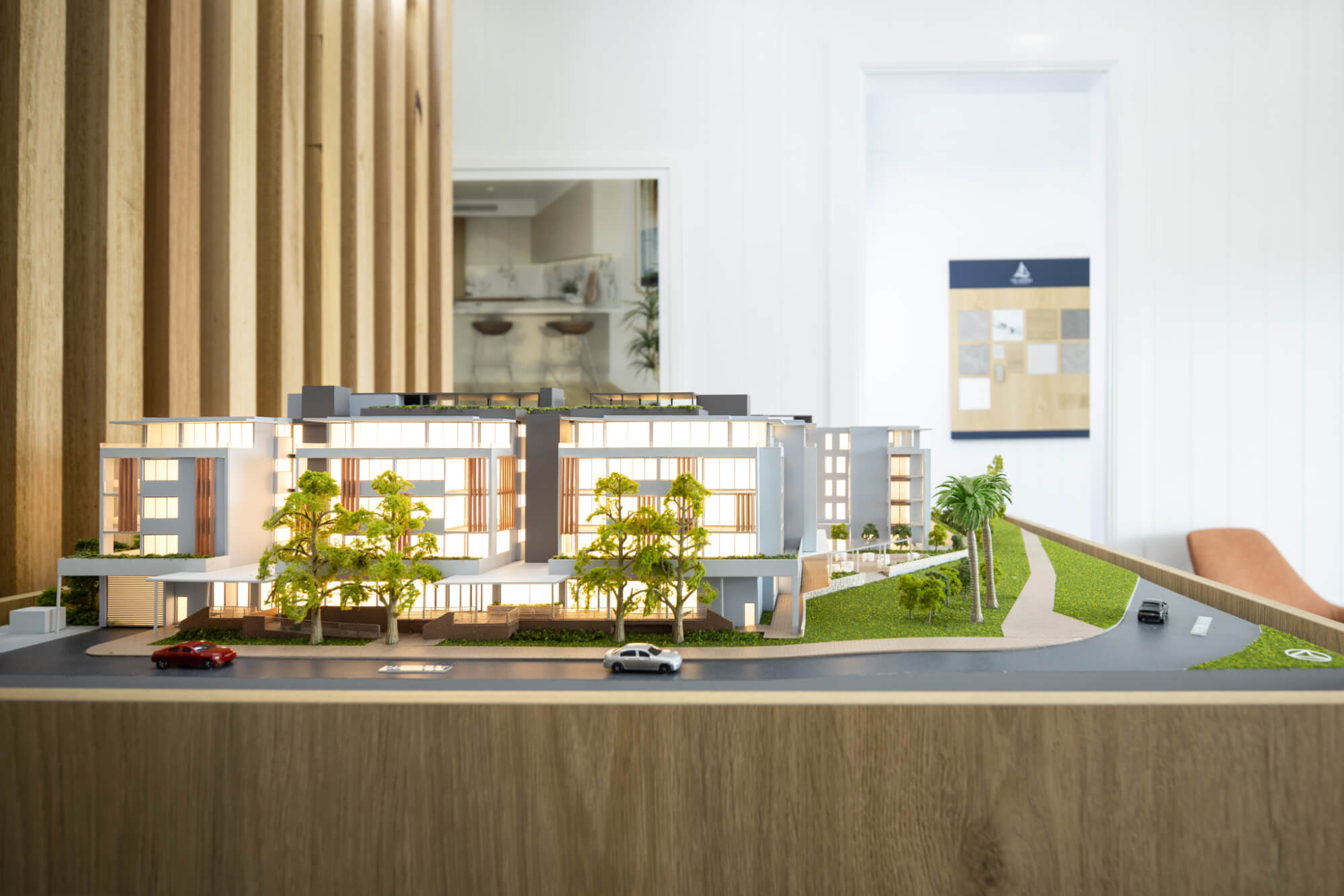
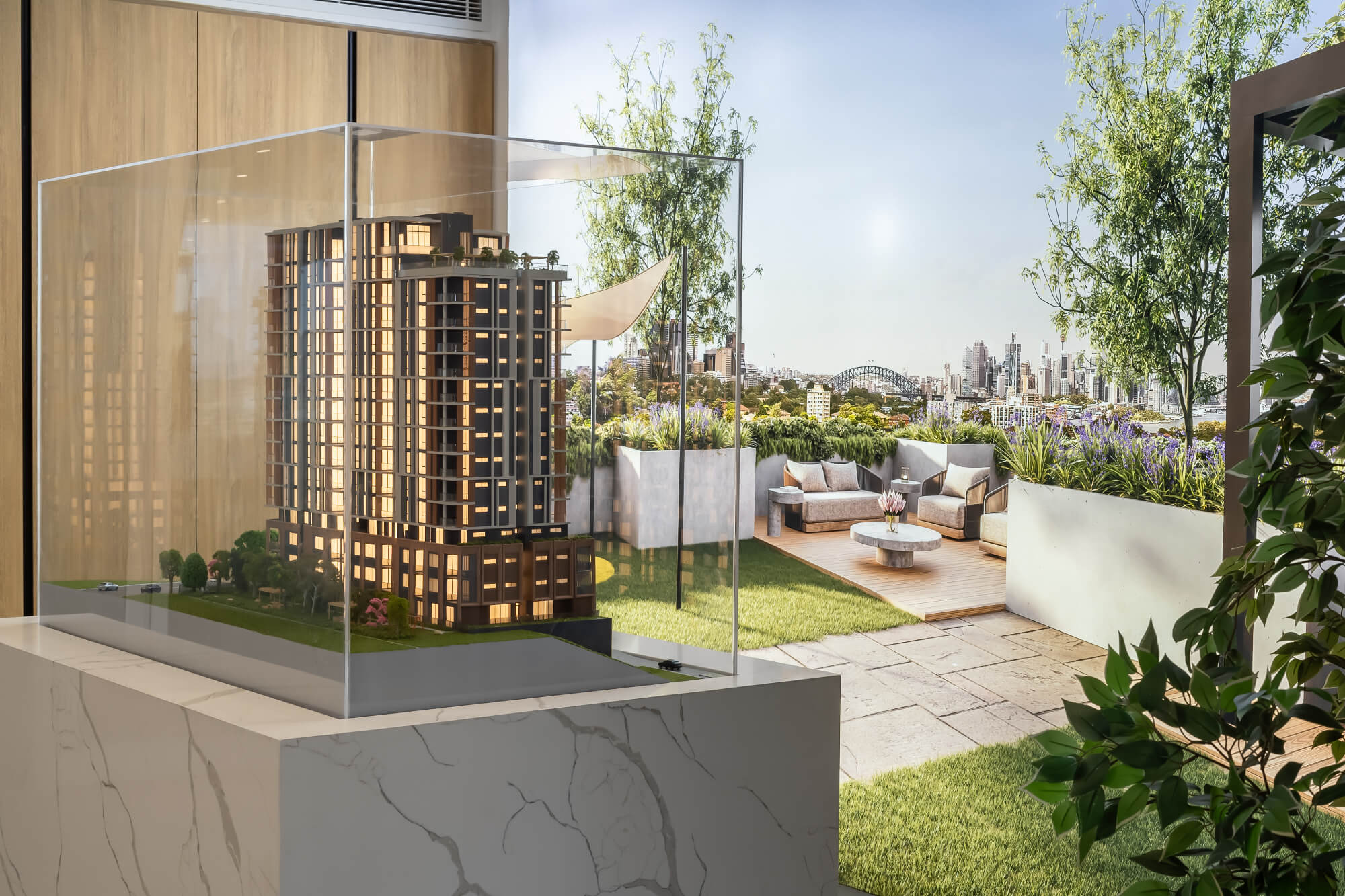
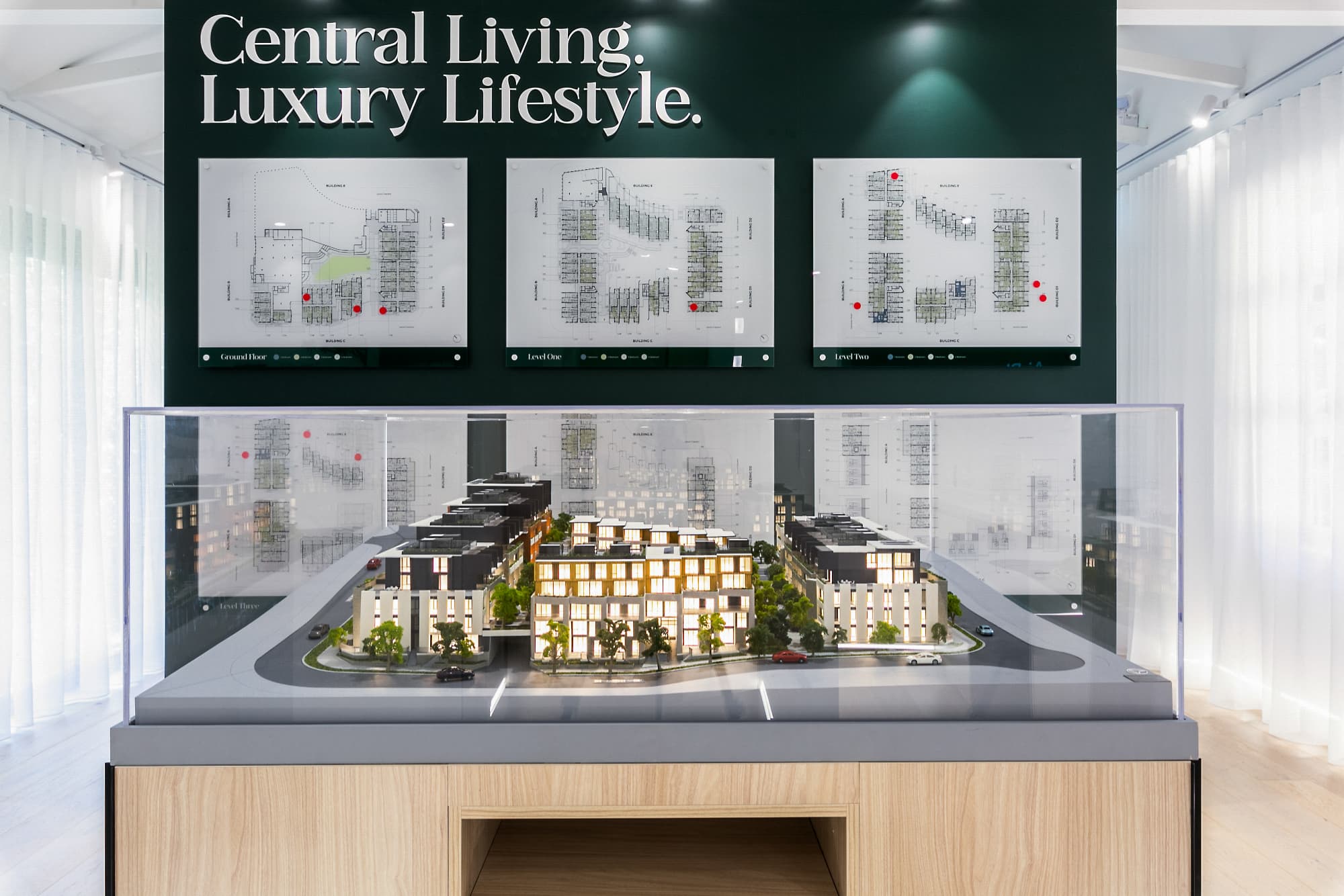
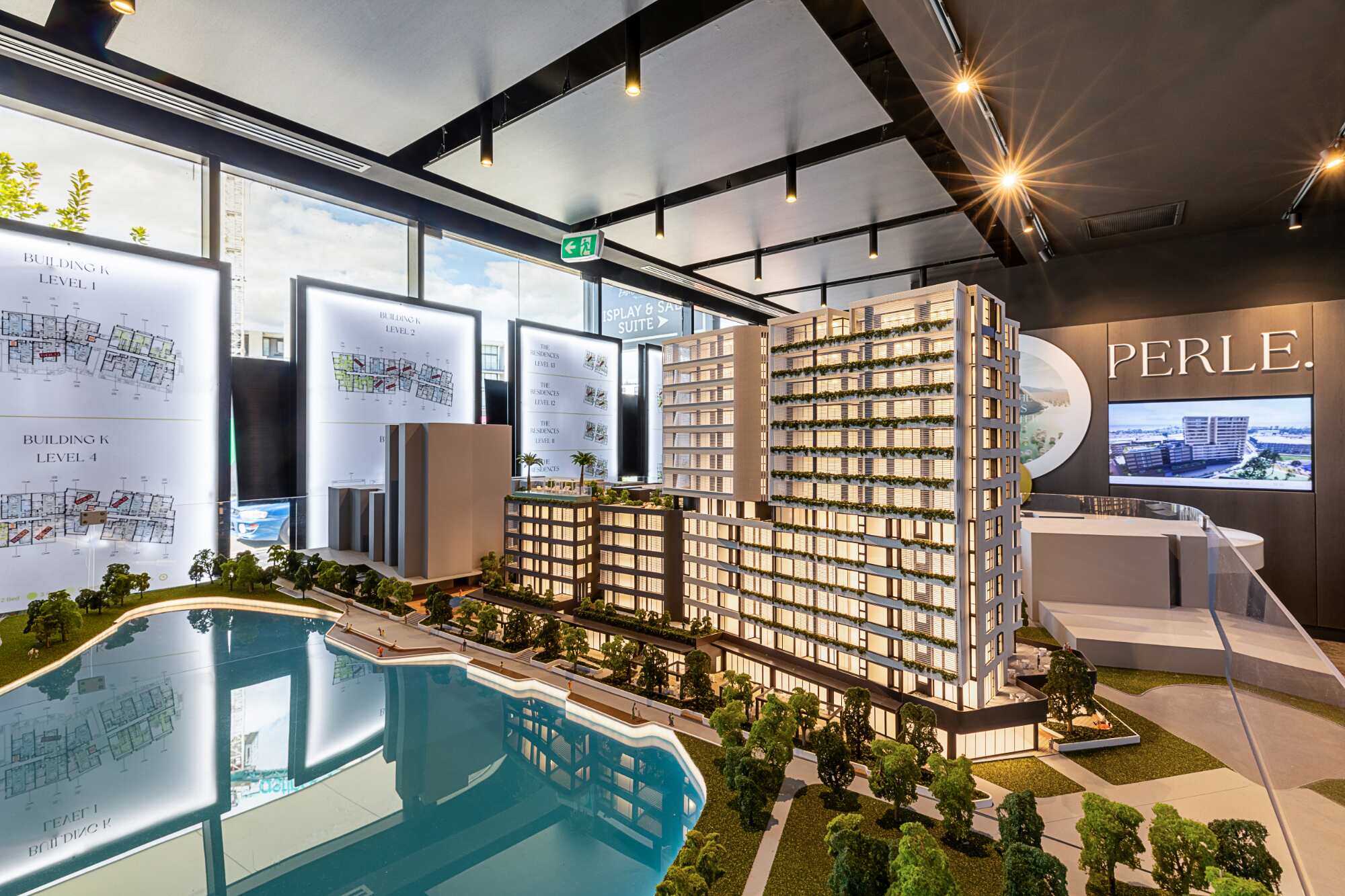
Interactive scale models elevate the traditional architectural model by introducing lighting, removable components, sectional elements or digital integration. They are designed not only to represent a development, but to actively demonstrate how it functions.
For property developers, this level of interaction strengthens both internal review and external presentation. Key building stages, apartment layouts, infrastructure components or future development phases can be highlighted clearly. Design options can be explored in a structured and controlled way, supporting more confident decision making.
Interactive models are particularly effective in display suites, stakeholder briefings and major project presentations, where engagement and clarity are equally important.
The Strategic Value of Interactive Scale Models
Interactive architectural models provide measurable advantages when showcasing and refining property developments.
Presenting Development Concepts with Confidence
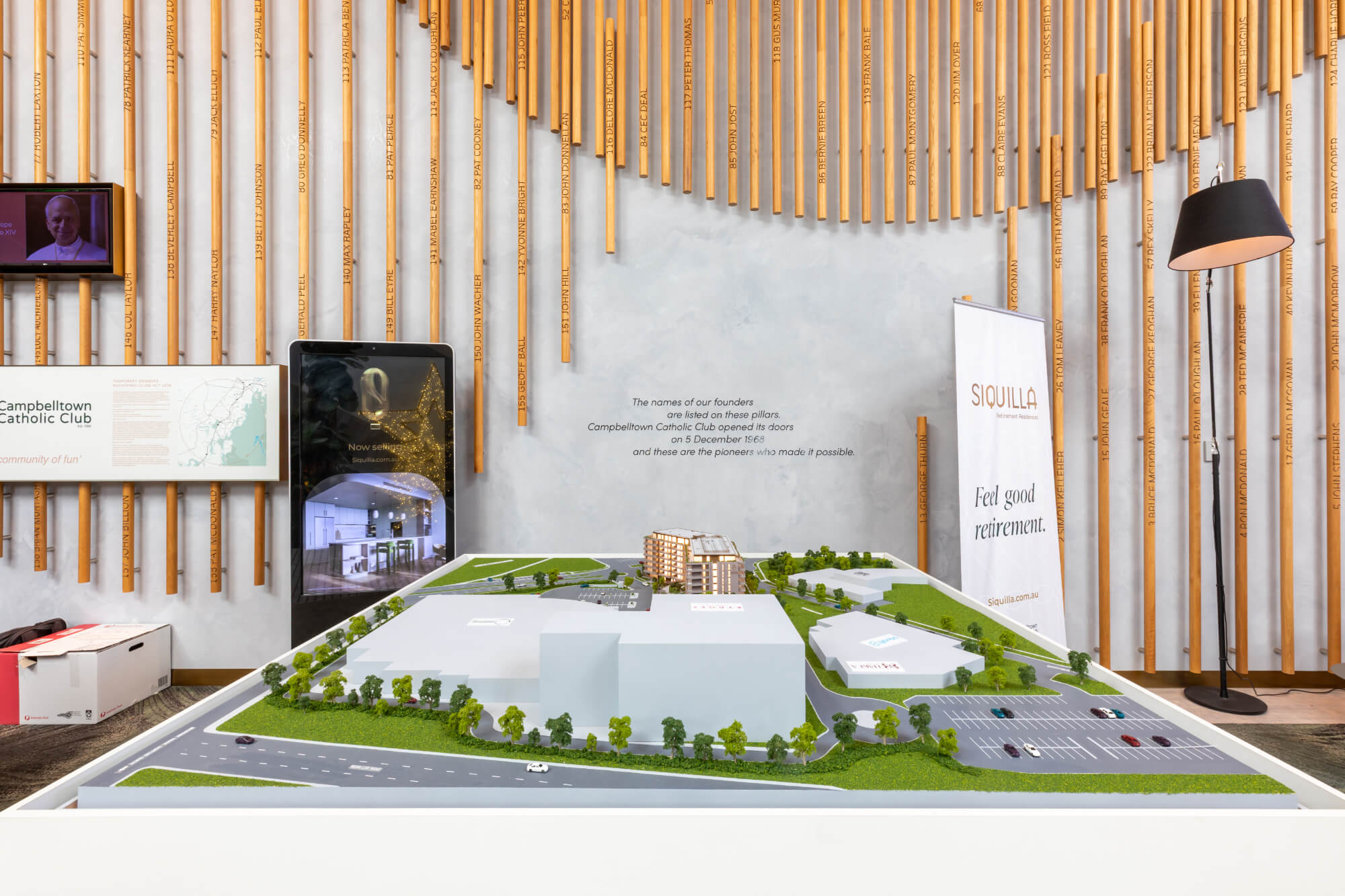
Architectural scale models provide a clear and structured way to communicate complex design ideas to stakeholders. They translate drawings and technical documentation into a tangible format that is easier to assess, question and refine.
By physically representing built form within its surrounding context, a scale model allows stakeholders to understand massing, layout, spatial relationships and environmental impact with greater certainty. This clarity supports more productive discussions around design intent, feasibility and project direction.
For developers, the benefit extends beyond presentation. A well executed model strengthens internal alignment, assists in planning authority engagement and supports investor confidence. It enables informed decision making by allowing stakeholders to evaluate options in measurable, realistic terms.
Architectural scale models are not simply visual aids. They are strategic tools that help streamline communication, reduce ambiguity and move projects forward with greater assurance.



ENQUIRE NOW
Please describe your requirements and one of our project managers will be in touch within 24 hours.
Privacy is important to us. Your details will not be transmitted or passed on to any third parties.
